
The Doctrine of Original Sin
Season 4 Episode 1
Special Guest: Cory Reckner
The Doctrine of Original Sin and the Human Condition
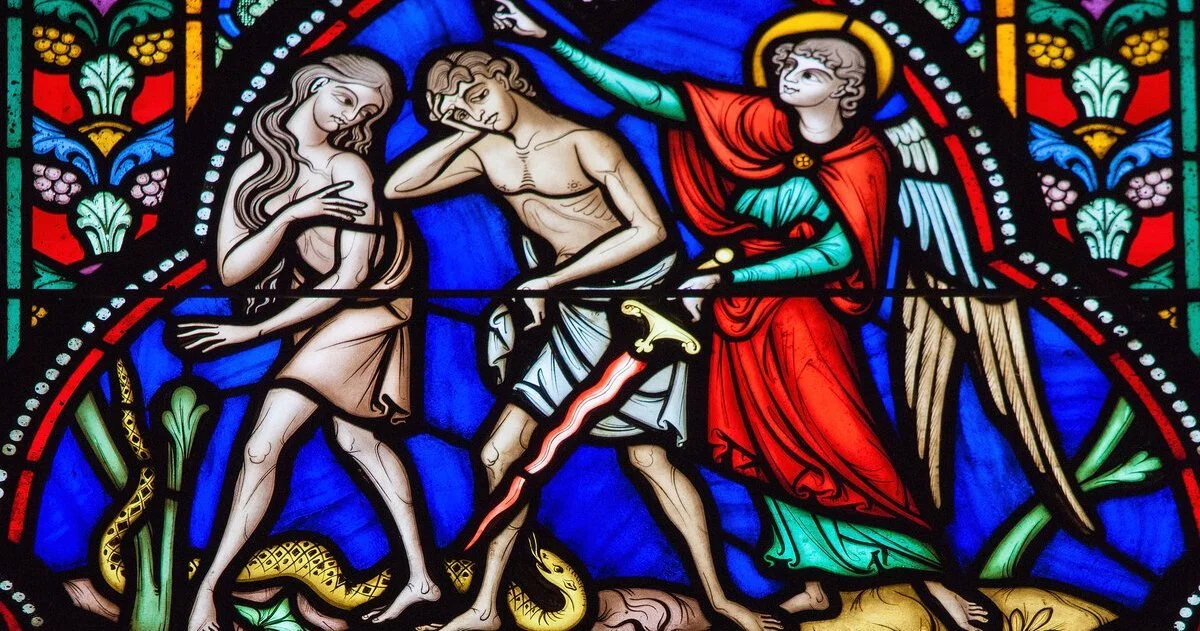
Original sin is one of the most foundational doctrines in Christian theology because it explains why human beings sin so naturally, so early, and so consistently. In this episode of The Restless Theologian, we explore the doctrine of original sin and compare how Eastern Orthodox, Roman Catholic, and Reformed theology understand humanity’s fall in Adam.
Federal Headship: Adam and Christ in Romans 5
The Reformed tradition teaches that original sin includes both guilt and corruption inherited from Adam’s first sin. Adam functions as the federal head of humanity, meaning his disobedience brought condemnation to those he represented. This framework helps explain why Scripture can speak of judgment spreading to “all men” in passages such as Romans 5:12–19. The same passage also shows the gospel solution: Christ as the new representative head whose obedience brings justification and life to those united to Him by faith.
Original Sin vs. Ancestral Sin in Eastern Orthodox Theology
A major contrast appears in Eastern Orthodox theology, which prefers the term ancestral sin rather than original sin. In this view humanity inherits corruption and mortality from Adam but not his guilt. The discussion explores whether that concern about justice fits with the Bible’s teaching about corporate responsibility. Passages such as Exodus 20:5 and Jesus’ warnings in Matthew 23 raise important questions about generational judgment and shared accountability.
Concupiscence, the Human Will, and Total Depravity
The episode also examines how original sin relates to the human will, concupiscence, and total depravity. Augustine’s influence on Western theology plays a major role in these debates. Roman Catholic theology affirms that sin is transmitted by propagation rather than imitation, but often treats concupiscence as an inclination rather than sin itself. Reformed theology argues that Scripture teaches sin affects not only actions but also thoughts and desires, meaning every faculty of the human person is touched by the fall.
Original Sin, Regeneration, and the New Birth
Finally, we explore how the doctrine of original sin connects to deeper questions about the origin of the soul, the nature of regeneration, and why Scripture describes humanity as spiritually dead apart from Christ. From Psalm 51 to Romans 5, the biblical testimony shows that Adam’s disobedience reshaped the entire human condition. Understanding original sin ultimately clarifies why salvation must come through grace alone and why the new life offered in Christ is truly a new birth.
FAQs
What is the doctrine of original sin?
Original sin teaches that all humanity inherits both corruption and guilt because of Adam’s first sin in the Garden of Eden. Scripture describes Adam as the representative head of humanity, meaning his disobedience brought condemnation and death to all people (Romans 5:12–19).
What is the difference between original sin and ancestral sin?
Eastern Orthodox theology typically uses the term ancestral sin rather than original sin. In that framework, humanity inherits corruption and mortality from Adam but not his guilt. Western traditions such as Roman Catholic and Reformed theology teach that Adam’s guilt is also imputed to his descendants.
What does “federal headship” mean?
Federal headship refers to the idea that Adam acted as the covenant representative of humanity. When Adam sinned, his guilt was counted to those he represented. In the same way, Christ acts as the new representative head whose obedience brings justification to those united to Him by faith (Romans 5:18–19).
What is concupiscence?
Concupiscence refers to disordered or sinful desire that flows from humanity’s fallen nature. Roman Catholic theology often describes concupiscence as an inclination toward sin, while Reformed theology teaches that these inward desires themselves carry moral guilt because sin affects the entire person.
Are humans spiritually dead or spiritually weakened?
Eastern Orthodox and Roman Catholic theology often describe humanity as spiritually wounded or weakened by the fall. Reformed theology argues that Scripture describes humanity as spiritually dead in sin (Ephesians 2:1–3), meaning regeneration by the Holy Spirit is necessary for salvation.
Why does the doctrine of original sin matter for the gospel?
Original sin explains why salvation must come entirely from God’s grace. If humanity is spiritually dead and guilty before God, then redemption must come through Christ’s obedience and righteousness being credited to believers, just as Adam’s disobedience brought condemnation.
-
Zechariah Eshack 0:25
Welcome to another episode of the Restless Theologian Podcast. Today we're going to be talking about the doctrine of original sin. We're going to be taking a look at a little bit of the perspective of the Orthodox Church, the Roman Catholic Church, and the Reformed Church. So we're probably going to primarily focus on the Reformed understanding of it, but we're going to kind of compare and contrast some of the other views. And so we're going to be diving deep into the will and a little bit of the understanding of that and the fall of man. And today I have back on with me my guest, Corey Rechner. How are you doing, Corey? Pretty good. How are you, Zach? Good, good. I appreciate you coming back on.
Cory Reckner 1:05
Yep. Anytime, man, I love doing this. It's a pretty popular topic that I don't ever really remember talking to anybody about it, even though that's the case, you know.
Zechariah Eshack 1:17
Yeah. Coming from a Calvinist perspective, I you know, I talk about total depravity, but understanding it in relation to what original sin is, it's, you know, obviously it's a little bit more complex. But so I want to start off with um just kind of giving a definition of original sin. And obviously these can be very complex depending on what you read, and also dependent on what tradition you're coming from. But just for our purposes, the doctrine of original sin is basically the state and guilt into which all human beings are born because of Adam's first sin. It includes both corruption of nature and liability to judgment. In Reformed theology, this is expressed through the imputation of Adam's guilt and the total depravity of man. I did find it very fascinating to uh compare and contrast just the traditions because, and I thought it was worth including the Eastern Church on this just because I think it sheds light into the issue. Sometimes looking at a comparative or like a comparing an alternate view kind of makes you think about questions within your own view. And um, I also think too, orthodoxy definitely seems to be the big thing right now. Like I definitely feel like there's a lot more in the West, because obviously it's predominantly more common in you know the East. But I feel like it's been um kind of gaining quite a bit of ground in the West as well. So I figured I figured I, you know, I don't know if you I don't know how you feel about this, but I feel like Protestants, I mean, and Catholics, they've been so busy arguing with each other, and then you know, they here you have the Orthodox coming out of left field and then kind of injected into the conversation as well. Not that they shouldn't be, I'm just saying that, you know, we don't really when you watch debates online, it's usually gonna be between either people of different Protestant traditions or Roman Catholic versus Protestant, stuff like that, but the East doesn't get engaged with as much as well. So I feel like as being in the West, I feel like a lot of Western Christians can be maybe put at a disadvantage because they don't know a lot about it. And so I'm trying to learn more about it and try to figure out um their understanding of the will and everything.
Defining Original Sin Clearly
Cory Reckner 3:36
So yeah, it seems like a healthy inclusion to have people of other sides of the world, especially to bring what they believe into the conversation so that we can all kind of, like you said, kind of re-examine what it is that we truly believe, go over it again, maybe reevaluate some of the things that somebody else does, and you know, kind of come back and just I don't want to say make more conclusions or better conclusions or different conclusions, but just kind of like you said, just reevaluate the whole at large.
Zechariah Eshack 4:08
Yeah. Yeah, for sure. So one of the interesting things that I've come to kind of learn is um trying to differentiate between like the will that we have and um concupiscence. Concupiscence isn't a word that we use very often in today's society. Concupiscence, from what I understand, it's basically disordered desire or evil desire. Um, this was definitely something that Augustine talked about. You know, one of my previous guests, he he D.P. Curtin actually brought this up when we were talking about Eastern Orthodoxy. He had mentioned that Augustine for them is almost the true source of all heterodoxy, meaning that like a lot of Western air really stems from him. And I thought that that was really fascinating to think about because if you look at the Reformed's position, and if B. V. Warfield is correct, and I think he is, that the Reformation is nothing other than Augustinianism, it makes sense why the Reformed in particular are gonna have a lot of disagreements with the East, probably even more so than Roman Catholicism. So in thinking about this too, with the understanding of the will, from what I gather is that here you have with Roman Catholicism expressed in the Council of Trent that man is spiritually weakened. And um the Orthodox also hold that view. Um, the Reformed view would be that man is dead, spiritually dead. So they're kind of an outlier out of those three groups. Um and then, but I would say where the Rome and the East definitely differ is they believe they don't really use the term original sin very much because it's almost an Augustinian invention to them, but they use ancestral sin. Have you looked into that at all, or what's your understanding of it?
Cory Reckner 6:03
You're saying from the Eastern Orthodox.
Zechariah Eshack 6:07
Yeah, about ancestral sin and what that means.
Cory Reckner 6:11
So yes. And it's funny because sometimes I get all of these views kind of mixed together. Yeah. Um you know, the Eastern Orthodox view. I feel like in my own experience, I feel like I might have heard a little bit more of that than the other two views. So and I'm not Eastern Orthodox, but I feel like just generally speaking, if you were to talk to, you know, most people out there, just in general, maybe bring up some type of ancestral quality or trait or something, you know, the idea of like a sinful tie to all of that would be probably pretty normal for most people, meaning like that's how they would view it. So they would say, oh, he's like this because his dad was like this, or you know, um, he's a a thief or a swindler because his father was like that, or his mother was like that, right? So it's tied very much into like a biological view of it.
Zechariah Eshack 7:07
Well, either biological or maybe imitation. Um because that sure that I think was really what Augustine was arguing against with the Pelagians, is that when man fell, other men that are born, like they don't inherit Adam's sin or guilt. Like none of that is in none of that is transferred to them in any way or imputed to them in any way. And basically, they learn through bad imitation. You know what I mean? So they sin because they see Adam's example of sinning. People learn through imitation and that like but the issue is is like through Adam's disobedience, even though he was disobedient, like he may not have committed murder or adultery. So it's like, how do you explain those particular sins being learned through if it's really truly learned through imitation?
Cory Reckner 7:57
Right, because they're not imitating him doing it.
Augustine Concupiscence And Ancestral Sin
Zechariah Eshack 7:59
No, yeah, yep. I thought that that was kind of interesting to think about. But the reforms view, there was something that got brought up. So I watched a couple videos from um, well, more than a couple, but um, from the Eastern Orthodox, and I was wanting to hear what they had to say about not only original sin, but um their reasoning for baptizing babies, right? Because in like the Roman system, they believe in baptismal regeneration, and they also believe that baptism itself removes original sin. So since they don't have a concept of original sin like the like the West does, you know, they hold to more of it like as being an entry into the church, um, giving of the Holy Spirit, you know, also for sanctification. So they kind of go that that route rather than it removing original sin, which was one of the reasons that Augustine argues against the pol against the Pelagians. He's saying the reason we baptize babies is to remove original sin, and that babies that are unbaptized who die, basically they they go to hell. And obviously, Rome's stance on that now is a little bit different because obviously they don't know they don't side with Augustine on that. They believe it's a little bit more of like maybe limbo is probably what they would believe. Um, because it sounds harsh, right? Like thinking of babies that haven't committed any actual sin going to hell.
Cory Reckner 9:29
Because of original sin. Because of original sin.
Zechariah Eshack 9:33
But then again, it's like if so, how is so from the videos it sounds like the East accuses Augustine and the West in general of is Traducianism. Traducianism teaches that both the soul and body are derived from the parents. This view is found in Tertullian and later in Augustine. It suggests that the human soul, like the body, is propagated naturally, and thus sin is transmitted along with human nature. Augustine leaned towards this explanation because it appeared to support the doctrine of original sin. If all humans were an Adam, then the corruption of his nature was shared by all. Obviously, the Eastern Church rejects Traducianism, and the more I researched it, it doesn't sound like that he followed Traducianism closely. He cautiously used some of the reasoning and ideology of it. So have you heard about Traducianism before?
Cory Reckner 10:32
It's funny because I do remember having a few conversations many years ago with a couple of friends about the concept of Traducianism, but I never knew that there was a title for it, right?
Zechariah Eshack 10:44
Okay, so it's like you were discussing the idea of it without even knowing what it's formally called. Exactly.
Cory Reckner 10:48
Like when is the soul made? Like when's the soul created, you know? And yeah, it it's something, you know, in preparing for this with you, I came across that term, and I'm like, it's so funny because sometimes you don't even realize that there are labels already given to some of these concepts until you go looking for that means.
Zechariah Eshack 11:09
Yeah, you're like the heresy I'm thinking about. There's already there's gotta be a name for it.
Cory Reckner 11:14
Oh, there we go. Yeah, that's what it's called. Okay, yeah. No, but I knew my error wasn't just theoretical, it's actually been practicalized before. Yeah, yeah.
Infant Baptism And Pelagian Dispute
Zechariah Eshack 11:24
No, I I get I get what you're saying, though. It's like I I've had that experience before where it's just kind of like you stumble across, you're like, I know there's gotta be someone's got had a have thought through this before and come up to a similar, like not that you were supporting the idea, but just questioning how the soul is made and when it's made. Um and then I mean you have some people actually, I think there was one early church father who believed in it, might it might have been Origin or Tertullian, I think it might have been origin that believed in like the preexistence of souls, yeah. Um, which is really weird because I think that that might be something more of a Mormon. Uh I think Mormons actually kind of believed that, but it from what I can tell, it looks like Tertullian and Ambrosiaster were the ones that leaned towards Trinusianism. And Augustine took some of Ambrosiaster's um writings, and that's where they think that he got that kind of idea in his head about um because it's like how how literal do you want to take it, right? Because you know, I think I came across something in the book where they were talking about some people that maybe held to, since Adam is the father of all, um biologically, so since we were in his loins, that like that we participated in the act of disobedience along with him. And obviously that's an extreme view, but I mean, as far as I can tell, I don't think that um formally, I I mean, I don't think any Roman Catholics, uh, Protestants or Orthodox believe that now, but I know that that was like a discussion that was kind of on the table. Um, so yeah, it it contrasting the East, though, it's like they believe in that physical death came to man and that like we inherit corruption. And obviously we're but we're only guilty, I think, of actual sin. We're not guilty of Adam's sin. And I thought that that was it's kind of crazy to think about because when you're in the West, you don't really I mean that's not something that we really ponder on, right? Like it's just automatically a given that original sin. It you see how it affects both Protestantism and Roman Catholicism, which which are both Western uh churches, you know.
Cory Reckner 13:38
Yeah, yeah, for sure. Yeah, I feel like uh even just in our day-to-day, um, you know, if we think about why we do some of the things we do, we usually just relate it directly to our parents rather than necessarily like, oh, theologically speaking, it's because of our inherited sin, you know?
Zechariah Eshack 13:59
Yeah.
Cory Reckner 14:00
So yeah, that makes more sense.
Traducianism And When Souls Begin
Zechariah Eshack 14:02
Yeah, and one of the arguments that the East I I noticed was kind of a repeated pattern when I'd watched the videos, is that it sounds like they follow a little bit more after John Chrysostome, who thought it was a ridiculous notion that God would punish someone for the sins of another, or that it's unjust to make the son pay for the sins of the father. And literally they they just thought it was absurd and that God is unjust. And I I actually have a lot to say about that just because I it didn't sit well with me. And the reason is is because corporate guilt is a real thing in scripture. And so this is Exodus 20, verse 5. So it says, You shall not bow down to them or serve them, for I the Lord your your God am a jealous God, visiting the iniquity of the fathers on the children to the third and fourth generation of those who hate me. And then and to really highlight this, and just to show you it's not clearly just an old testament thing that was a fluke. So this is in Matthew 23, when Jesus is given the seven woes. So verse 29 it says, Woe to you, scribes and Pharisees, hypocrites, for you build the tombs of the prophets and decorate the monuments of the righteous, saying, If we lived in the days of our fathers, we would not have taken part with them in shedding the blood of the prophets. Thus you witness against yourselves that you are the sons of those who murdered the prophets. Fill up then the measure of your fathers, you serpents, you brood of vipers, how are you to escape being sentenced to hell? Therefore I send you prophets and wise men and scribes, some of you whom you will kill and crucify, and some of them you will flog in your synagogues, and persecute from town to town. Why? He says, So that on you may come all the righteous blood shed on the earth, from the blood of righteous Abel to the blood of Zachariah, son of Barekiah, whom you murdered between the sanctuary and the altar. Truly I say to you, all of these things will come upon this generation. I I mean, when I read through that and read it again, it's mind-blowing to me because here it almost seems that Christ is saying the culmination of all of God's wrath. And he goes, You know, you guys admit that you were the sons of those who murdered the prophets, and he said you testify against yourselves that you were the sons of who did that. And he says, you know, it's like because of this, all the righteous blood, you know, even before they were born, is going to be counted against them. And I'm like, where is the Eastern defense on the idea that God is unjust to declare any sort of punishment on the sons like ancestrally? Like I to me, it's like it's such a biblical idea that there is such a thing as corporate guilt. And um, even recently I was thinking about um this is completely a side note, but I thought it was kind of relevant to bring up just because I was kind of reading more about the Salem Witch trials and everything. Uh-huh. And it's kind of like it's just a crazy um incident that happened, and you're just kind of like, well, why did this happen? Why did this mass hysteria happen? And um, you know, obviously it was a terrible thing that happened. And um, well, one of the reasons was was because now obviously Hollywood and other books overdraumatize everything, and and you know, no one was burned at the stake. Obviously, that's a misconception. People were hung. From what I can tell, it sounds like 20 people were total in total were executed. So, which is far different from Europe. It sounds like I think between 40 and 60,000 people were actually um killed during like the hysteria over you know, witches. Um, so it's like if you look in comparison between America and Europe, obviously it's far more minimized, or not minimized, but far to far lesser degree, I guess. Um, not to downplay the sadness or terribleness that happened, but basically the point I'm getting at is why did they do that? Well, it's because they believed in corporate guilt. They believed that if there was witches among them, that God wouldn't just punish those witches, he would punish them all. And that led them to do what they you know what I mean, to panic and um unjustly uh execute people.
Cory Reckner 18:44
Yeah, it it makes me also think of the um Exodus story uh with the firstborn right in Egypt. Yeah.
Zechariah Eshack 18:52
Where I didn't even think of that, but that's a great, great point.
Cory Reckner 18:54
Yeah, where God, you know, pretty much sends death upon all the firstborn in Egypt just because Pharaoh wouldn't submit to what God wanted.
Zechariah Eshack 19:05
And not only that, but Pharaoh uh uh it would have been his father, did the same thing when Moses was born because remember he had the firstborn males killed because of the prophecy. Right, right. And then so it's like talk about an eye for an eye situation.
Cory Reckner 19:22
Yeah, yeah. It's like revenge, you know? Yeah, yeah, yeah.
Zechariah Eshack 19:26
Yeah. Well, I mean, scripture does say vengeance is mine, and that's clearly expressed in that story. And and I also too wanted to you have to be careful to sit there and say, Oh, God would be an unjust judge if he did this, and then it's like, but what if he did do this, and then now you're subjecting God to your judgment? And I don't think that that's really a situation you want to be in.
Cory Reckner 19:50
But yeah. Yeah, you deny what God is actually capable of.
Zechariah Eshack 19:55
Yeah, so if Traducianism doesn't like since things don't really work that way, obviously, as in the reformed world, we don't believe in Traducianism. So, how is Adam's sin uh like how are we guilty or how do we bear the guilt of Adam's sin? So it's like not only do we lose original righteousness, original justice, um, loss of the spirit, physical death comes. And obviously in the Reformed view, we also believe that spiritual death comes because it says, you know, you were dead in your trespasses and sins. When we think about this, like how does Adam's sin actually like how do we bear the guilt of that? How are we in any way guilty or bear the guilt? I guess it's through imputation. Imputation is since Adam's the federal head, the representative head of humanity, then it would make sense that his sin is is uh imputed to us. Like we don't we don't it doesn't um transmit genetically by DNA. Obviously Rome believes in imputation, you know, they believe that we uh Adam's sin is imputed to us. I mean the concept of original sin. And the thing is, is um but they uh also don't believe in imputed righteousness, they believe in infused righteousness, you know, infused into the soul during baptism. Where in the Reformed view, uh Christ's righteousness is imputed to us. And I think it just kind of makes sense because if he's our federal head, and then so so it's like uh with Adam it's disobedience and imputed original sin. With Christ, it's his obedience and his imputed righteousness. Do you think that that's a fair I know it's kind of a little bit more of a high level kind of generalization, but what do you what are your thoughts on it?
Cory Reckner 21:50
You mean what do I think about just imputation compared to like an infusion? That view?
Zechariah Eshack 21:56
Or just what do you think about um imputation of Adam's original sin versus imputation of Christ's righteousness. Like, do you think that that is the biblical view and your perspective?
Corporate Guilt In Scripture
Cory Reckner 22:07
So, all right. Let me try to sum up what I'm thinking because that is a really good question. Um overall, and I don't want to like jump ahead here because I'm not sure if you'd like to discuss some of these points in any more detail before or you know You're totally fine. So okay, so I'll just riff here a little bit. So um I do think there is teaching in scripture where we get you know just the general picture that Adam is like the representative of humanity, right? Right. And then we have Christ, who because of everything he's done, and how he even said he came to seek and save that which was lost, and you know, we have the crucifixion, we have the resurrection, and then we have the gift of the Holy Spirit given to all of us. I do believe that Christ brought about a different, like you said, headship, right? Yeah, a different leadership, a different uh covenant, so to speak. And because of that, there is a new representation that's available now, right, to people. Yeah. But what I think the Bible definitely teaches is that there are still people who are in the bracket or the category or the headship of Adam still, but then there are also people who are now under the leadership of Christ, right? He's the f like you said, the federal head, right? Right. So I do think that that is very well taught in the Bible. Paul talks about that in multiple occasions um in Romans, right? Yeah. And like you'd mentioned, the pat uh the passage in Matthew, where Jesus was confronting religious leaders and Pharisees, saying, Because of these previous generations, you could pretty much be, you know, bracketed with this old group, which is in the bracket of Adam, where you'd consider that group to be the sinful group, right? The group that's stuck in sin, you know. Yeah. So I do think, yes, I think that scripture definitely teaches there are two different options here for people to be in, and you're either going to be in the the under the headship of Adam or the headship of Christ. I think that that is like the big takeaway from those teachings. Um and there's no other alternatives. Pretty much, right? Like it's he's not like saying, like, oh no, but there's a third category, which is kind of like you said earlier, like in limbo or something, right? I don't think we're really given that option at all based off of what scripture teaches. Now getting more detailed about that is where it gets tricky, in my opinion. Um, because you'd mentioned the Augustinian or perhaps the cow the Catholic view, the Eastern Orthodox view, and then what was the other one? Oh, the Reformed view, right? Yeah. So I don't know if you wanted to go into any more detail about any one of those first, or what what you'd like to do. Like, should we just keep going?
Zechariah Eshack 25:21
Well, I guess I can kind of give like a brief summary of like because the understanding of the will and then concupiscence is another aspect. Um so the Council of Trent declared that basically Adam's sin is transmitted to all by propagation, not imitation. So as Protestants, we we'd agree with that, that it's not imitation like the Plagians you know declared.
Cory Reckner 25:45
So and let's pause there for one second. So you're saying and and what group is that? The Roman Roman Catholics.
Zechariah Eshack 25:51
So the Roman Catholic view in the Council of Trent, at least this part portion of it, they rejected the idea that sin is transmit, not transmitted, but um they rejected the idea that sin is learned through imitation and it's not transmitted.
Cory Reckner 26:05
So it's kind of like they're not um let's put it a little bit more um, you know, kind of proverbially, where they're denying the fact that you can just watch somebody sin and therefore that's what causes you to sin. They're saying it it runs deeper than that. It's actually through like like bloodline, right?
Zechariah Eshack 26:25
Well, not through bloodline, but through That's more of the Eastern Orthodox view. Well the bloodline? No, it's actually see, they don't believe um, they call it ancestral sin, but we do not inherit ancestral sin. So it's like if you kind of use the term ancestral sin in lieu of original sin, because it's basically their version of it. From what I gather is that so original sin is not um transmitted, it's not imputed. We do not bear any guilt for anything that Adam did. The only thing that we inherit is the state of corruption and death. Okay, and um sin reigns because death reigns. So it you know, I found it repeatedly that the idea that they think that we sin because death exists. Where it's like almost like in I could be misunderstanding it, but one of the things I'm not sure what nuance they're they're using or how how they're nuancing that, but basically, obviously death exists because of sin, not the other way around. You know what I mean? Like we don't sin because death reigns, we are sinners, therefore death reigns. You know what I mean? Like death is a consequence of sin. So much so that I think that that is why, in my opinion, that you would have to have someone like um like like Mary in the the Roman Catholic perspective, um, you can't say that she died of natural old age. The reason why you can't say that is because, well, she had no sin. If she is sinless, therefore, I mean, other other than like maybe I I mean, I don't know how far deep down this rabbit hole, you know, we can go, but basically, you know, you would be immortal because death is a consequence of sin. Right. So I think that that is why they have to have a category of, oh, well, she was um assumed into heaven. So that's why the assumption became a thing. Now, like the assumption to Mary, like I don't think there's any biblical evidence for it. Like, I mean, we can I mean, I know Mary's a separate side issue. I'm just making the point that like the idea of sin obviously brings about death. Now, what I did find really interesting is that, um, and I have known this, was with the Council of Trent, it it does seem to reject a lot of Augustinian views. And the Council of Trent believes that man is spiritually wounded.
Cory Reckner 29:00
Okay.
Zechariah Eshack 29:01
And the East agrees with that. Man is spiritually wounded from the fall. Like they both are in agreement, and at least on that point. But the difference is is with while Rome believes that we inherit corruption, loss of original justice, righteousness, all of that. Um, but you know, obviously the original sin is transferred to his offspring. But with obviously the East, think of it like, yeah, that there's the loss of all that stuff, but Adam's sin isn't. We're not guilty of that. We don't bear any that that that can't be on us.
Cory Reckner 29:38
It's kind of like you you are responsible for you and you alone. Right. Yeah, yeah.
Zechariah Eshack 29:43
Yeah, because they they follow after Chrysostome, like I said, who thought it would be ridiculous for one person to be responsible or guilty of someone else's sin. So that would make that would make sense. But I I believe that Augustine's view, in my opinion, is the far more biblical view, biblical understanding. Okay. Yeah.
Cory Reckner 30:04
Gotcha.
Zechariah Eshack 30:05
Because it's all about how do we explain this? How is how is sin transmitted or imputed or in the West? We have to explain that. Yeah.
Cory Reckner 30:18
Yeah. So this is such a challenging subject. I um You want to leave. I'll see you later. I'm gonna get out of here. Yeah. Thanks for bringing this up, but I'm gonna go not sleep tonight. Um no, so I've heard a really interesting, almost kind of a like a proposition relating to this subject too. And that is okay, let's say original sin is imputed to us, right? It's not just uh each person's responsible only for their own sin, they're also responsible just for sin in general, right? So, um, and it almost ties back into the idea that you mentioned earlier about like traducianism, right? Like when is the soul created, right? Yeah. And I don't want to like go off the tracks here with where we're heading in the conversation, but to me it seems kind of relevant because it is still tied to this idea of you know what you're born into and what you're you know inheriting as you're born, and whether or not with your soul, that is a part of that as well, right? Meaning like whenever your soul is made, right? Yeah. Whenever that is, um are you born with that original sin almost like imprinted into your soul, you know?
Zechariah Eshack 31:39
Yeah, I would I would say I would say yes. Um because so like as far as I know, that I'm the East, Rome, and the Reformed, they would all agree that um you know, because that none of them are Traducian, so they don't believe that the soul like pre-existed or that or that the soul in some way was um handed down from Adam, like actual literal souls, like as in D DNA, like his not only his biological DNA, but his actual think of a DNA storehouse for souls, just amassed in him, like he he holds all of that bank of souls within him, and then it you know, down the line of propagation, you know, those souls are delved out in whatever mysterious way you you think of. But so they all agree that you know basically I think it's at conception that God is the one who like creates the soul. You know what I mean? Like he creates the soul then and like a creationist act, yeah. Um, so it's not like a soul is passed down or like as if it's some sort of seed that can be passed down.
Federal Headship And Imputation
Cory Reckner 32:52
Yeah, so and that's good. So I've heard there there are like three descriptions I've heard of that soul creation. The first one is the pre-existent soul created, right? Like you said, like maybe in the case of this, you know, being tied to Adam, like you said, our souls were created when Adam was created. Yeah. Or before that, even, you know. Uh the next one is what is, I guess, titled um creationism, and it's not like the creationism from like the book of Genesis, right, where God created everything. It's more just like He creates your soul at the time of birth. And then there's that third one, and that's that traducianism, where your parents are the ones that pretty much give you the soul. Yeah. Like you're born from your parents, so they not only the father in particular, yeah. Yeah, and and so like you're the parents are passing down everything to the the next person, you know. Um and so I think that's all pretty much tied to this subject, too, because I think that like you'd mentioned, is it directly connected to sin and death uh even before we're born? Is it directly connected to sin and death, you know, perhaps when we're born on the spot, or is it, you know, directly connected to sin and death just, you know, I guess in general, right? And I think that that is really important because it kind of explains a little bit more, you know, with the answer we come up with. I think it explains a little bit more with why things are the way they are, if that makes sense. Yeah. Does that make sense? Kind of. I'm kind of like trying to sum it all up, but like still, you know, talk about those three main points with the creation of the soul, you know? Yeah. But like the imputed guilt from Adam, right? Like, is it actually imputed if you have a soul that's already created, you know? So and I and I'm asking that because um what's up? No, go ahead. No, I was just thinking, so I'm asking that because the proposition that's what I was talking about earlier that I've heard is that let's say God creates the soul, it's not tradition, but it's more of the creation creationism one, right? Yeah. That would mean that God creates like a dirty soul, right? Like he creates like a sinful soul from the beginning, you know?
Zechariah Eshack 35:25
Oh, I see what you're saying. Yeah. Yeah. So that that would that would be a problem. Because I think you can say that he creates the soul, but it it is not when the soul is created or created by him, it is not him that creates the original sin. Okay. So the original sin, obviously, that's that's passed down, and it's passed down based upon, and I think that this is why it makes more sense that traducianism in reform theology is unnecessary. It's unnecessary because Adam's sin is imputed to us based upon a covenant, the covenant of works, which you know, Adam was under, you you do this and you live, right? Because I mean, we can say, I mean, even though there might not be like clear like statements saying, Oh, this is the covenant I make with Adam, but it is kind of clearly expressed that you do this and live. You know, you can eat of every tree in the garden, except the tree of the knowledge of good and evil. Because when you do eat of it, you will surely die. You will surely die. Yeah. So and then death and sin spread. So obviously, we in the Reformed can't believe in spiritual death. Um, I don't want to go too far off the topic that you brought up, but but there's um I want to go back to what I mentioned before about concupiscence. Yeah. So disordered desire, for example, that in and of itself, I think, um, so the Roman Catholic Church doesn't believe that concupiscence is sin. John Calvin believed it was sin.
Cory Reckner 37:02
And and remind me, maybe just so we get a good definition, concupiscence is like you said, it's a disordered or like a fractured desire coming from you.
Zechariah Eshack 37:13
Yeah, it's a disordered or depraved or sinful, I think, desire, from what I can tell.
Cory Reckner 37:17
Okay.
Zechariah Eshack 37:17
So basically, it it isn't the will, but it stems from the will. So if you have a corrupted will, by necessary consequence, you're gonna have um a disordered desires. Because your will kind of is what drives everything else, right? It is, it it drives your not only your desires, but your actions. And so while the Council of Trent said, I mean, at least from what I could tell, the Council of Trent, I think, was basically making the statement, or at least the Roman Catholic view in general, I guess doesn't hold to that concupiscence is a sin. The Reformed view basically says it is, because I mean, you look at what Christ says, you know, you look at a woman with lust, you've committed adultery in your heart, you um, you know, you're angry with your brother, you know, you're guilty of, you know, it's basically kind of like you're a murderer. Not literally, but like he's making the statement that like obviously it's these these evil desires stem from somewhere. It's like the root of it. That's the root of the that's where it's coming from.
Cory Reckner 38:20
It's the root inside of you. Yeah.
Zechariah Eshack 38:22
Yeah, because when we I think I mean, because we sin in thought and deed and action. And I would say that like if our thoughts are twisted, he just because we don't act on them doesn't make them any less sin. Right. If that makes sense.
Cory Reckner 38:36
Yeah, it's already quote unquote dirty. Yeah. So it's starting off dirty, so it just makes sense if it overflows dirty.
Zechariah Eshack 38:43
Yeah. I know to some people like the reform view sounds a lot darker just because it's like, well, it's a it's probably the lowest view of man when it comes to. I mean, obviously, we believe that man is made in the image of God, but like in the reform camp, you believe in total depravity. And um, I know a lot of people, other people have said this. It's not that each person is is as evil as they can be, but that it's infected the entirety or the whole of the person. And one of the theologians that I was reading, I thought he made a a good analogy. So if you take a glass of water, good in and of itself, and then you put a little drop of poison in it, it taints the entire thing, the whole, so it's all encompassing. So whether you drink from the top or you drink the last little bit, it's still poison because it's corrupted the entirety of that nature of the water. Yeah, so it's compromised. So I thought that that was a really good way of looking at it to kind of express what total depravity is because Calvin's argument too is that um, okay, so he's basically he seemed like he was more accusing those at Trent of not holding a strong enough view against sin. So he cites basically Genesis 6.5. This is in section seven. His antidote to the Council of Trent, Calvin attacked Rome's softened view of sin, citing Genesis 6.5, and says, and he says, Scripture testifies that all the imaginations of the heart of man are only evil continually. Calvin argued that Trent's anthropology denies the extent of human depravity and turns grace into a cooperative system. So he emphasized that, you know, concupiscence is not a neutral thing. Um, it's also condemned by Paul. It's it's affected every faculty of man, you know, heart, mind, soul, the will. No spot is left untainted.
Cory Reckner 40:50
And that's what we would refer to as like our sinful nature. Yeah. It's just it's just a part of who we are.
Does God Create A Sinful Soul
Zechariah Eshack 40:58
Well, in the spiritual deadness, obviously, with both the East and Um Rome uh, you know, both holding that man is spiritually weakened from the fall and not spiritually dead. Um, but I mean I think that there's passages that see that to me appear to obviously support that man is spiritually dead. You know, he's you're dead in your trespasses and sins, uh, no one can please God, no one seeks after God. Um, it seems like Paul in particular like riddles the New Testament with those type of statements about the total inability and total corruption of man apart from God's grace. So, and it does make sense that I don't I don't know if you know this, but like the East they don't believe in predestination. Their view of predestination is Arminian because they hold that God only chooses people based upon foreseen faith. If you think about it, they they hold the East holds that um God wants to save everybody, He does basically equal amount of effort to try to save everybody, which is a difficult position to be put in because it's like if salvation comes through Christ and then not every tribe out there in the world hears about Christ and they die in their sins, how do you explain that that universal offer was equally offered to all? Right. You can't, I mean, it seems impossible to hold that view.
Cory Reckner 42:22
Yeah. Um not everybody has the same opportunities to hear the same stuff all the time either. Yeah.
Zechariah Eshack 42:28
Yeah. Yeah. Yeah. I I was really fascinated to kind of learn. I mean, obviously, they the Arminians did hold to original sin, but they obviously believed in like provenient grace and that each person was able to and had the ability or the the the capacity in their will to reject or accept Christ. And the same holds true in the East, but like with the East, it's um they think it would be an evil God or an unjust God to try to compel or force people against their will to basically come to him. It's a different thing to force someone against their will, it's a whole nother thing as Calvin observes to put a new will in somebody and make them willing.
Cory Reckner 43:11
Yeah. Yeah, especially if you have the power of the Holy Spirit who works with your will, you know, and um like counsels the will. You know, that's a little different than just like forcing you to do something, you know?
Zechariah Eshack 43:30
Yeah, or just you know, giving you a new will entirely.
Cory Reckner 43:34
Absolutely. Well, and I think that that's what maybe that could even mean, too, right? It's like we know God gives rebirth and God is spirit, and God gives spiritual rebirth.
Zechariah Eshack 43:50
Well, that's a good point. What do you yeah, what do you think that their view of rebirth is? Who which which person or which uh classes view? I mean, I guess Rome and um I kind of want to say Constantinople just to keep it. I mean that's because obviously I know the East it's complex. I can't just sit there and say one city, but obviously isn't the Patriarch of Constantinople like kind of the you know kind of almost like a Pope-like figure, but he's not like the Pope. You know, I I'm just kind of trying to make an apples to apples comparison here and it's probably not fair because they have patriarchs but they don't have one, you know, one that rules over all the others. Right. Um I I guess I'm confused as to their understanding of like what is the meaning behind being born again if you're not spiritually dead. Right, right. Like what what would the purpose be? Why do you need to be born again if you're not spiritually dead? Like if your will is perfectly capable of just choosing Christ and what's the what's the point?
Trent Versus Calvin On Desire
Cory Reckner 44:56
I I agree. And I think the only because I don't know I don't know what their answer would be overall but I would say I would love to have a conversation with some it would be interesting to hear that because I think and I'm just speculating but I would assume that perhaps it's almost kind of like a continual rebirth you know which you know has some grounds in scripture right there are there are things that are related to like a continual rebirth renewal. Yeah like it's like a renewal right like you're you're like almost like Paul says in Romans, you know, don't be conformed to the world and the patterns of the world but be renewed by you know with your mind right so it's kind of like there is like this effort that would have to be put into like a continual spiritual renewal like on your part you know yeah um but because it seems like it would be like okay I think it's fair to say that the continual renewal of your mind and then continual repentance obviously are an important part of the Christian life. Like one actual rebirth itself. Not necessarily not like a renewal or a continual renewal but just that it's like actu actually having a baby you know like in real life in the physical world. Yeah you know you have a baby you don't keep having a baby over and over and over again that one baby right it's like it's just that's that's the moment right that's where you have the child and I agree with you. I think that like what Jesus taught to Nicodemus especially he's like you have to be reborn right if you want to see the kingdom of God. And I like I said I'm speculating but from what I can understand from what scripture does teach I think that Jesus is actually saying there is an actual full moment rebirth that happens with the person and that's how they truly get saved and that's where the Holy Spirit starts to indwell the person actually and manifests. So yeah I think tied to the idea of like a continual rebirth or or how that group might view it, I would only assume that and I I could be wrong about what they think so I'm not trying to put words in their mouth but I would assume that the thought is that like let's say you reach a a testing moment where you can choose to sin or not sin, right? And you don't sin, well that means you're kind of like reborn in that moment, right? And it's like almost like a constructive thing like it keeps going until you reach heaven, right? And I could see why somebody might justify that because they could see passages like where Paul's like I've fought the good fight of faith and you know I've made it this far and I'm still faithful so I'm good you know but it does almost kind of sound like that could be more of a works based salvation idea right rather than grace based.
Zechariah Eshack 47:50
Which Paul continually preaches constantly says grace constantly grace, grace, grace, says you know it's not of works lest anyone should boast I'll see if you have anything else to say on that and then I was going to jump to some of the um some of the reformed confessions and catechisms and what they say. You want to do that? Okay. So the Westminster Confession of faith chapter six says they being the root of all mankind the guilt of this sin was imputed in the same death in sin and corrupted nature conveyed to all their posterity descending from them by ordinary generation the Heidelberg Catechism question and answer seven to eight okay question seven When then comes this depraved nature of man? Answer from the fall and disobedience of our first parents, Adam and Eve, in paradise. Hence our nature is become so corrupt that we are all conceived and born in sin. Question eight is are we then so corrupt that we are wholly incapable of doing any good and inclined to all wickedness answer indeed we are, except we are regenerated by the Spirit of God The canons of Dor, this is the third and fourth heads of doctrine Articles two and three man after the fall begat children in his own likeness, a corrupt stock produced a corrupt offspring therefore therefore all men are conceived in sin and are and are by nature children of wrath, incapable of any saving good so here you see across countries you know the canons of Dort were in the Netherlands um Heidelberg Catechism I want to say obviously Germany and then the Westminster Confession of faith in England. It's like here you have different reformed groups all saying kind of the same thing about the fall of man. Man's um you know corruption Adamson imputed and our inability to please God and choose God. So you know what I mean like I feel like that's kind of a good way to sum it up that they all kind of had the same it's nice to see that kind of cohesiveness among uh the reformed camp in different important historical documents whether it's catechisms or confessions. I will say like when you're kind of looking at like the reformed view or in Romanism like usually you have like a catechism to refer to with the East it's it's not so much it's it's a little bit more of like usually if you ask chat GPT or Google something it's going to pull up an early church father or like a either an early church father or like a middle aged or you know the uh middle aged father in Archie that actually I was trying to avoid saying that but I was already down that path so I had to say the the middle aged fathers. I think maybe that's what we should call it fathers or fathers of the faith from the Middle Ages.
Cory Reckner 50:50
Yeah that's probably a more proper way of saying it yeah well do you mind reading for me um that passage Psalm 515 Psalm 515 Behold I was brought forth in iniquity and in sin did my mother conceive me yeah that's the that's the question right like how do we explain that like how was he conceived in sin?
Spiritual Death Predestination New Birth
Zechariah Eshack 51:20
So like there's been some debate as to what like David means obviously is you know from an Augustinian viewpoint we believe that what he's saying is even from the time of conception he was sinful um based upon Adam's transgression. Um now I mean we could also look at it the simple or we could also look at it at an another angle being like well since disorder desire is always involved in basically all of our actions um like that would be um the act of procreation uh would also be you know not not unstained from disorder desire. So therefore like I think it would make sense to me why like since Jesus himself, you know obviously born of a woman I guess you can say I mean he was human, right? So he had a human nature. But since um concupiscence wasn't involved in the procreative act and since obviously God crew you know created him in Mary's womb directly so that would maybe be one reason why you know he wouldn't have had original sin, why he would be sinless and not have the stain of Adam. Do you still have Romans five up? Uh yeah let's start with verses sixteen and if you want to just read it to the end of the chapter or sixteen to nineteen basically.
Cory Reckner 52:51
And the free gift is not like the result of that one man's sin, for the judgment following one trespass brought condemnation, but the free gift following many trespasses brought justification. For if because of one man's trespass death reigned through that one man, much more will those who receive the abundance of grace and the free gift of righteousness reign in life through the one man Jesus Christ. Therefore as one trespass led to condemnation for all men, so one act of righteousness leads to justification and life for all men. For as by the one man's disobedience the many were made sinners, so by the one man's obedience the many will be made righteous.
Zechariah Eshack 53:42
Yeah I think that that was that's a very enlightening passage just about the parallels between Adam and Christ and you know Adam's disobedience Christ's obedience to the law and obviously through Adam's disobedience many were made sinners so by one man's disobedience or one man's obedience the many will be made righteous. So going further up though in um earlier on I think it's in maybe verses 16 you notice how it says for the judgment following one trespass brought condemnation so if it brings condemnation to all men it's like well we bear the punishment of an act that we didn't commit. Right? Like we're all condemned yeah I mean we're all condemned for I mean we would be condemned on original sin alone not just our actual sins This topic is so encompassing and affects so many different doctrines and it you can see how it affects different belief systems because it's like uh James Montgomery Boyce for example he says when people have trouble with the doctrine of election and many do the real problem is not with the doctrine of election although they think it is but with a doctrine of depravity that makes election necessary it makes sense that people who criticize or have trouble accepting the idea of predestination that God elected certain individuals because they don't like to think that they don't have the ability to come to Christ on their own. But it's like scripture does say you know Christ does say no man can come to me unless the Father who sent me draws him.
Cory Reckner 55:26
Yeah. Yeah that's good. It's um and from that quote it sounds like what he was kind of getting at was it's not as much about and repeat the very last part you said he said people don't have a problem with what they have a problem with the depravity part. What was the first part?
Zechariah Eshack 55:48
Yeah when people when people have trouble with election and many do you know yeah the real problem is not with election but with the doctrine of depravity.
Cory Reckner 55:56
Yeah and I think that that is kind of tied to the idea of people aren't as upset about the idea of some people being chosen to be saved. It's more just relating to how depraved we truly are right and how you know we do have this nature that is utterly you know incapable of being saved alone right we need the Lord to do that. So it does sound like that's that is quite a point of contention for a lot of people and and it's not as much about oh I'm upset that God would actually choose some people over the others. It's more like I just am dismissing the fact that we're all just utterly devoid of God in general.
Zechariah Eshack 56:42
Yeah yeah it's no I agree it's it's almost like um well because once you have the idea that man is maybe spiritually wounded or that man is hasn't been affected at all like the um Pelagians where it's just kind of like well man sins through imitation each man that is born is born in the same state that Adam was with the ability to choose good or evil. And but it like I said it all kind of stems from the will if you have a a will that's in bondage or enslaved to sin then it's like well naturally your your desires are going to be disordered and as a result actions stem from your desires.
Reformed Confessions Romans 5 Closing
Cory Reckner 57:24
So it's you see how it's affected both will desire and action outcome you know I think that people I'm sorry I don't want to no you're totally fine taking even more time here but um I feel like people that couldn't even imagine that that could be a possibility that we are born just with this sinful nature and that we have a lot of capability to just find God on our own to me it just sounds like these are people that haven't really experienced God enough, you know it's kind of like the idea of when Isaiah saw God, right? He falls down his knees and he's like I am just a dirt bag, you know I do not belong even right in front of you right now. To me it just kind of sounds like we're like denying something like we're not really getting the full scope of what scripture teaches and what God has taught, you know, according to the Bible. So I'm not gonna say that you know people I I think people are very optimistic a lot of times.
Zechariah Eshack 58:27
Well they would like to like to believe that man is either um inherently good or maybe not or or maybe a more moderate view that he's not as bad as they as they would like to think. Yeah. That he at least has some good in him but obviously even in the Roman system like the the ability to do good the ability to choose God obviously they they believe is of grace but the question is is is this grace given equally to everybody and is everyone equally have the ability to um to choose of their own quote unquote free will and because I mean from the Orthodox view it's absurd to them and uh I mean pretty much what they said was in one of the videos I watched it's basically an absurdity that like God would command something that is not within our power to do. But it's like well that is exactly what he's commanding because and it's to show our utter helplessness. Yeah. Right. And I think that that's why the law came it's it does show our utter dependency. And inability to do it.
Cory Reckner 59:38
Yeah.
Zechariah Eshack 59:38
Yeah because I as far as I know apart from Christ I don't think that there's anyone else that's walked the earth that can say that they've kept God's law perfectly.
Cory Reckner 59:49
Or who is even trying. Yeah.
Zechariah Eshack 59:51
Yeah because if it's if it's possible if if if if if in their view that God is God wouldn't command something that we couldn't meet then it's like well the commandments themselves but it's like I think Christ basically shatters that opinion because he basically says you know even our desires and our thoughts are evil.
Cory Reckner 1:00:13
Yeah that's awesome man what a subject we just discussed.
Zechariah Eshack 1:00:17
Yeah hopefully I let you chime in enough I know I can ramble I'm a rambler.
Cory Reckner 1:00:22
No I like how um you're bringing a lot of history to light with theological beliefs and cultural beliefs with this stuff because I think uh shout out to the Restless Theologian podcast but I think that this podcast is good uh where you're able to kind of you know just bring up these kind of historical examples of maybe where these beliefs kind of came from yeah and where people are at today because of those beliefs. Yep. So I think you do a really good job of that. So I appreciate when you when you I you I don't think it's rambling at all. I think you're kind of just summing things up very well. Um and I appreciate just being able to be on here with you and getting to kind of share my brain a little bit because I think my brain kind of goes all over the place too. So I think this kind of helps me organize my thoughts a little better too.
Zechariah Eshack 1:01:09
Yeah I think that that's you're welcome. Yeah thank thank you for being on I um I I love this topic just because I think it reveals so much and uh it you know you could spend a lot of time on it but uh thanks again for coming on and um you know we'll see you next time.
Cory Reckner 1:01:24
All right sir thank you appreciate it
-
Scripture
Genesis 3:1–19
Genesis 5:3
Genesis 6:5
Psalm 51:5
Exodus 20:5
Matthew 5:21–28
Matthew 23:29–36
John 3:3–8
John 6:44
Romans 5:12–19
Romans 8:7–8
Ephesians 2:1–3
1 Corinthians 15:21–22, 45–49
Creeds & Confessions
Westminster Confession of Faith (Chapter 6 – Of the Fall of Man, of Sin, and of the Punishment Thereof)
Heidelberg Catechism (Questions 7–8)
Canons of Dort (Third and Fourth Heads of Doctrine, Articles 1–3)
Theologians & Works
Augustine – On the Merits and Forgiveness of Sins and on the Baptism of Infants
Augustine – Confessions
John Calvin – Institutes of the Christian Religion (Book II)
B.B. Warfield – The Plan of Salvation
James Montgomery Boice – Foundations of the Christian Faith
R.C. Sproul – Chosen by God
-
Books
Institutes of the Christian Religion – John Calvin
The Plan of Salvation – B.B. Warfield
Chosen by God – R.C. Sproul
Foundations of the Christian Faith – James Montgomery Boice
On the Merits and Forgiveness of Sins – Augustine
Primary Sources
Westminster Confession of Faith – Chapter 6
Heidelberg Catechism – Questions 7–8
Canons of Dort – Third and Fourth Heads of Doctrine
Augustine – Confessions
Lectures & Teaching
R.C. Sproul – “Original Sin” lectures
Ligonier Ministries – Teaching series on total depravity
Sinclair Ferguson – Teaching on the Fall and the doctrine of sin