
Forbidden Knowledge
Season 3 Episode 3
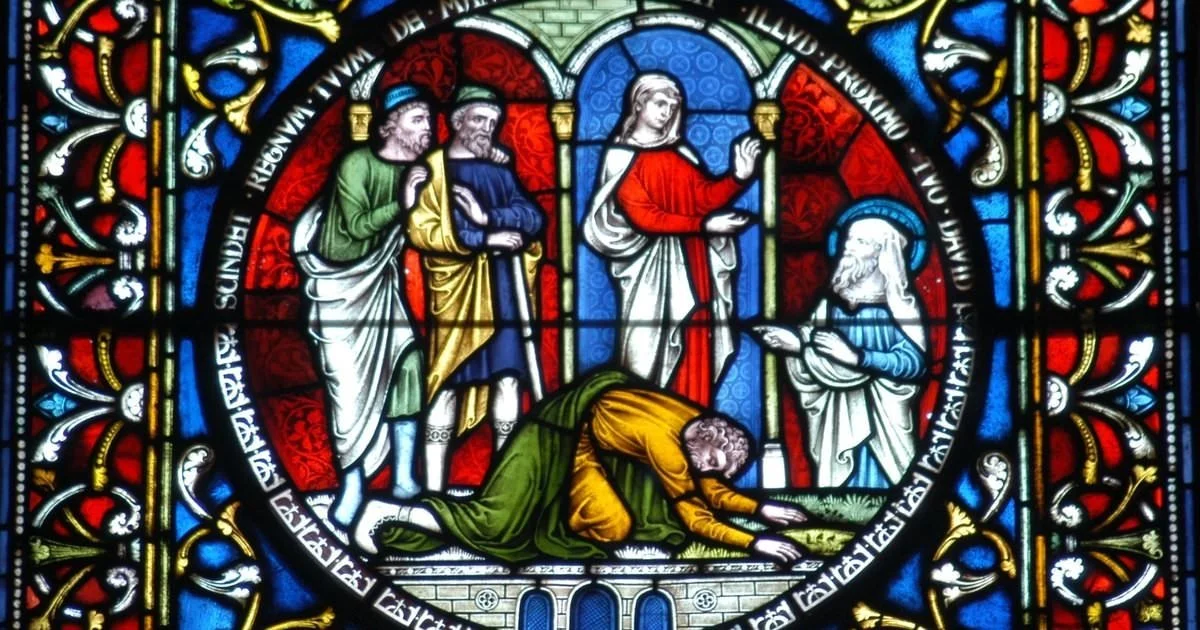
Special Guest: Cory Reckner
Humanity’s Long Pursuit of Forbidden Knowledge
It’s not new. People have been chasing the hidden for as long as we’ve been keeping records. You can read about it in ancient kingdoms, across deserts and city gates—those who wanted to know more than they were meant to. Casting lots. Seeking mediums. Trying to read the future in bits of glass or polished stones. That curiosity never really left humanity. In this episode, part of our ongoing angelology and demonology series, we’re talking about what Scripture says about all this, and why trying to reach outside God’s will is a path that always, sooner or later, costs more than it promises.
Saul at Endor: When Fear Replaces Faith
One of the strangest, and honestly most troubling, episodes in the Old Testament sits in 1 Samuel 28. Saul’s about to go into battle. He wants answers. He’s praying, but dreams bring nothing. The prophets? Silent. The Urim? No light. So, in a moment that almost makes you want to shout “Don’t do it,” he walks straight into the tent of a medium at Endor. This is the same king who banned such practices. That’s fear for you—it makes even the clear commands of God look negotiable. In our earlier look at the watchers and giants, we saw how disobedience can invite forces that work against God’s purposes.
The Urim and Thummim: Holy Tools and Counterfeits
The Urim and Thummim were not trinkets. They were priestly tools set apart by God Himself, used only for His direction. There’s no hint in Scripture of them being fortune-telling devices. But over time, people have tried to create their own versions. Joseph Smith claimed to use “seer stones” and gave them the same name. That’s a reminder—just because someone uses biblical language doesn’t mean they’re anywhere close to biblical truth.
Casting Lots: From Common Practice to Silence
You see casting lots all over the Bible. Land divisions in Israel. Choosing Matthias to replace Judas. But after Pentecost, the practice disappears completely. Why? Because once the Holy Spirit came, there was no more need for stones or marked sticks. God Himself was now guiding His people from within.
Discernment or Divination?
It matters to know the difference. Discernment—things like prayer, Scripture study, wise counsel—draws you closer to God. Divination—sorcery, necromancy, astrology, spirit summoning—pulls you away from Him. The problem? These days, divination rarely calls itself by that name. It comes dressed in modern labels. Some even slip into churches under the cover of “prophetic words” or “spiritual insight.” Understanding these influences in light of heavenly hierarchies helps believers see them for what they really are.
When Heaven Seems Silent
We all hit moments where God feels far away. That’s when the temptation to look elsewhere hits hardest. Maybe it’s a card reading. Maybe it’s a “Christianized” version of channeling. The Bible’s clear—don’t run after those things. Stick with what God’s already given: His Word, prayer, and the fellowship of believers.
Waiting Brings Strength
Silence doesn’t mean God’s gone. Like any relationship worth keeping, walking with Him takes time and patience. Step outside His ways and you drift. Stay the course and, even in the quiet, you grow stronger. And that kind of growth? It’s worth more than every quick answer the wrong voices try to offer.
-
Zechariah Eshack: 0:00
Welcome to the Restless Theologian podcast, where we focus on having insightful conversations in biblical history and theology. I'm your host, Zechariah Eshack, For our third episode of Season 3, we're going to be discussing divination. Throughout history, mankind has fixated on the idea of hidden or forbidden knowledge. But what happens when the pursuit of this knowledge leads us away from the truth God has already revealed to us? Today, we're going to be exploring the intriguing occurrences recorded for us in scripture of how men sought answers from God and when they chose to seek answers outside of God's already established means. And I'm excited to be joined once again by my good friend, Cory Reckner. If you've been following along with our series, you already know that Cory brings both a deep knowledge of the scriptures as well as a real passion for helping other believers develop spiritual discernment. How are you doing today, Cory?
Cory Reckner: 1:04
Hey good. How's it going, Zech?
Zechariah Eshack: 1:05
Good good. Anything new with you?
Cory Reckner: 1:07
Nope, just living life, family stuff and, yeah, nothing super exciting to report out on besides just the kids getting older and you know, driving mom and I crazy all the time, no, I'm just kidding.
Zechariah Eshack: 1:21
I'm sure, like you said before, was it three of them under five. Yep, man, that's got to be a handful.
Cory Reckner: 1:26
Yeah, a lot of noise at the home. Yeah, I'll have to keep you in my prayers, thank you, thank you. I will gladly accept those prayers.
Zechariah Eshack: 1:34
So, if you wouldn't mind, I wanted to see if you would open us up with a passage from 1 Samuel 28, 5, 7. And before you go into that, I just wanted to mention that just a little bit of a background here. So at this time period David is actually in exile and then Samuel has already. Samuel, the prophet who people would turn to for spiritual guidance, has passed away. So if you wouldn't mind reading 1 Samuel 28, 5-7 for me.
Cory Reckner: 2:06
Sure, when Saul saw the army of the Philistines, he was afraid and his heart trembled greatly. And when Saul inquired of the Lord, the Lord did not answer him, either by dreams or by I think you pronounce it urim or by prophets. Then Saul said to his servants seek out for me a woman who is a medium that I may go to her and inquire of her. And his servants said to him behold, there is a medium at Endor.
Zechariah Eshack: 2:41
This whole story is kind of it's interesting timing for me. Endor this whole story is kind of it's interesting timing for me just because I just got done watching House of David on Prime.
Cory Reckner: 2:49
Have you seen it? Yeah, we just watched that a little bit ago too. Did you finish it? Did you like it? Yeah, yeah, for the most part, yeah, I thought it was great.
Zechariah Eshack: 2:55
Yeah, yeah, I actually really loved the guy who plays the prophet Samuel.
Cory Reckner: 3:01
I love him, stephen Lang.
Zechariah Eshack: 3:02
Is that his name?
Cory Reckner: 3:03
Yeah.
Zechariah Eshack: 3:04
Yeah, because he was in Sisu and Don't Breathe and I just actually think he's a really good actor. I like him. I don't know what it is about him. He just I feel like he has like an intense look about him yes. And I felt like he played the Prophet character perfectly in my opinion.
Cory Reckner: 3:19
Yeah, so funny little side story.
Speaker 3: 3:25
You probably were aware of this, but Val.
Cory Reckner: 3:26
Kilmer passed away not too long ago. Yeah, and you know, on my social media feed I got all of these advertisements for the movie Tombstone that he was in.
Speaker 3: 3:33
Yeah.
Cory Reckner: 3:34
Yeah, he played Doc Holliday in that. Yeah, and I used to watch that movie when I was a kid.
Zechariah Eshack: 3:38
Your parents let you watch that as a kid.
Cory Reckner: 3:40
Well, so when I was growing up, it was just my mom and I, yeah. And when my mom wasn't around, I'd just turn on the TV and watch, like TBS or TNT, right?
Speaker 3: 3:49
Yeah.
Cory Reckner: 3:49
And they were always showing Tombstone, so I would watch it all the time.
Zechariah Eshack: 3:53
And just fun Western movie you know, I'm your Huckleberry, yeah, yeah, yeah, I'm your Huckleberry, yeah.
Cory Reckner: 4:00
But Stephen Lang was actually in that movie.
Zechariah Eshack: 4:02
Really. Yeah, I don't remember him being in that, so he was a really goofy character.
Cory Reckner: 4:07
He was a part of the Cowboys, the guys that you know, doc Holliday and Kurt Russell's group. They were all fighting against Okay. He was the one that kept like starting fights, like for the Cowboys.
Speaker 3: 4:20
Yeah.
Cory Reckner: 4:21
And then he would like cower when they would come and confront him too. So cowboys, yeah. And then he would like cower when they would come and confront him too. So and I think he made it all the way to the end of the movie. They never like shot him or anything, so okay but you would never guess that was him because it's like totally not like a very dominant character in the movie yeah, and he's just really you know to be frank really annoying throughout the whole movie.
Cory Reckner: 4:38
So it was, it was a hilarious character for him to play, but I did not know he was in that movie, so I watch it. I'm like, wow, that's hilarious, because I was thinking of that after watching House of David. I'm like Stephen Lang was great as Samuel, and then I watched Tombstone. I'm like that's the same guy and he's just so annoying in this movie. So it was really funny.
Zechariah Eshack: 4:57
Yeah, I probably know it annoy Katie when I when I do that, but I'll point out I love catching, like going back and watching a movie I haven't seen in a long time, yes, and catching actors and actresses that's crazy that I've seen in other stuff that are more, maybe prominent now, but we're like a nobody back.
Zechariah Eshack: 5:10
Yeah, they were like growing in their career yeah yeah, yeah what I liked about the storyline is just cool to see the giants, obviously, because me and zach just did an episode about that, and so it's really cool to see the giants depicted as actual giants and it wasn't like metaphor and kind of gave a little bit of background to how they developed. And also too, at this time so Saul had already made a previous like edict or command banishing witchcraft, sorcery, all of that. So the irony is, you know that at this point in time Samuel's dead, he can't go to him for any sort of spiritual guidance or what God's will is, and so he's frightened by the Philistines and so he doesn't feel like he has any options. We'll get into this a little bit later, but the Urim thing I found very fascinating and kind of did a little bit of a deep dive into that. But so when it says that there was no answer from, you know dreams of a Urim or the prophet, um, the Urim, actually it was in the breastplate of the ephod of the?
Zechariah Eshack: 6:14
Um, israel's high priest, which the breastplate held, you know, 12 stones in it and I think it had the. It had the six names of, uh, six of the tribes of Israel, on one of the shoulders, and then the other six on the other shoulder and then the breastplate held all 12 stones representing the 12 tribes and, if my memory serves me correctly, that those specific stones are actually where we get birthstones. So I like Jasper and stuff like that. I can't think of any of the other ones just off the top of my head. But yeah, so there's 12 that represent the 12 tribes of Israel, but supposedly within that was the Urim and Thummim and it's kind of like a form of casting lots and we'll get into it a little bit later. But what I'll say about it now is just there's not a lot of evidence to actually show what those two specifically were and where they were at in the breastplate, if they were along there with the 12 or hidden in there, some for some reason.
Zechariah Eshack: 7:20
Some actually believe it was like maybe a pouch that was attached to the breastplate. But anyway, I know it's we'll, we'll get there, but, um, but yeah, I just I loved watching that story and I'm hoping that more of those type of shows come out, because there's so many good stories in the old testament that um just need to be told. Well, because there hasn't been a lot of. You know there's been a few, but like there hasn't been a lot of good, um, well-made, high budget christian movies right, you know what I mean.
Cory Reckner: 7:50
Yeah, supposedly the um the sequel to the passion of the christ. Yeah, it's going to start being filmed here soon. So that's kind of kind of crazy, right? Mel gibson said he's going to bring back all the cast and everything and, yeah, show supposedly the intermediary time between when christ was crucified and raised and then to like what happened with all the crazy stuff and then the early church, just that'll be interesting did.
Zechariah Eshack: 8:13
Did you see him on?
Cory Reckner: 8:14
uh see some of his clips that were circulating when he was on joe rogan, yeah, yeah that's where I think he talked about it first, just to kind of give everyone an idea that it was happening, like actually happening still yeah and then I saw something I think it was on um. It was some article the other day that said production has been scheduled, so they will be starting to make it, I think, this year or so okay, yeah, nice, yeah, nice, yeah.
Zechariah Eshack: 8:36
I feel like you get a little bit of um. Two different crowds there were, um, you have the type that think that jesus not be depicted at all like in anything and you know artwork, media and then you get the other type that maybe go a little bit too overboard with it.
Zechariah Eshack: 8:55
Like you know, like I'm not one big into like statues. You know I have a bust of Augustine, you know, in my office but like I don don't know like of a painting of the lord's supper and our living, you know, not our living room, I'm sorry, our kitchen, but like sometimes you're as a christian and you look throughout history.
Cory Reckner: 9:15
You're kind of like what's acceptable and what isn't because I feel like sometimes there's can be extremes and uh, I mean I know that that's a that's another topic, but I just figured it was worth mentioning Just like the iconography of things and yeah, kind of like I don't want to say limiting maybe a historical event or a person down to like a statue. But statues have always been funny to me, you know, whether it's like a sports star or you know, like in us, what is it where there's a statue of Jesus? In Brazil, Brazil?
Speaker 3: 9:45
Yeah.
Cory Reckner: 9:45
Yeah, I'm like statues to me have always kind of cracked me up, because I'm like I would never want somebody to make a statue of me Right Cause for one. I just, you know, I don't want to see myself as a statue, but yeah, they've always cracked me up. I know we're going to be talking a little bit about that kind of idea with what we're talking about today too. So, yeah, the statue thing has always kind of cracked me up. When you know, like I'm just used to like superhero stuff, where they made a statue of Batman.
Speaker 3: 10:11
Right or.
Cory Reckner: 10:12
Superman after he died, Right. So I just think they're kind of funny, you know kind of idols, almost you know.
Speaker 3: 10:21
Yeah, I think it's sometimes it's not so much what it is, but how it's treated. I think that's the approach I take on it.
Zechariah Eshack: 10:24
But one last thing I wanted to say about the Mel Gibson being on Joe Rogan, just because I thought it was a funny side note, but so it sounds like he's a set of a cantist I'm not even sure if I'm saying that correctly but basically that there hasn't been a true Pope, I think, since the second Vatican council or somewhere around that timeframe.
Zechariah Eshack: 10:44
And then you have some Roman Catholics calling Mel Gibson a Protestant because he doesn't accept, you know, modern day Pope's authority, and then, and then you have all these Orthodox comments underneath telling him to come home and come to the one true church, and I'm like. I'm like who's trolling who?
Speaker 3: 11:02
here. I'm like this is getting out of control. No, I just I'm like who's trolling who? Here? I'm like this is getting out of control.
Cory Reckner: 11:05
That's funny.
Zechariah Eshack: 11:06
Yeah, I mentioned that to Katie. I just thought it was funny. It's funny that some of that same type of language, how it can be used from one group to the other, vice versa yeah, come home.
Cory Reckner: 11:19
Mel, Come home, yeah come home.
Zechariah Eshack: 11:22
Okay. So next we're gonna be getting a little bit into uh specifics when it comes to divination practices and the instruments that were used in the process, and I kind of try to tread lightly, like on this topic when researching, because there's a little bit of intrigue, like just because it is interesting, and also, too, there's some biblical uh interactions that have played out where it's like these devices may have been used or you know, like some of them aren't going to be used until well into, like the 16th century, but um, but some of them have like ancient origins and uh, but yeah, like. So when discussing this type of topic, I I was kind of trying to like balance between I'm like I don't want to go too far deep into it just because it's like I don't know.
Zechariah Eshack: 12:17
I've never been one to like I don't want it messing with my mind at all right like where it just becomes a fascination and and I don't think I'd get to that point or anything it was just one of the things I'd try to tread carefully and look at it from more of a biblical perspective.
Cory Reckner: 12:34
Yeah, that's very well put and I think I mean we could talk about this too, as we keep going through some of these. You know specifics here, but, um, I kind of tend to fall into the school of and, like I said, we can keep talking about this too, as you want to address what you want to talk about too. But I also think, like with the Holy Spirit, you know, there's some strength with the strength that he provides, right. So, um, it's kind of a different ballgame for some of us, right, who claim to have a relationship with Christ and want to know him more and all that. But it's kind of a different story for some of us than it is for others when it comes to getting a little too lured away right, yeah.
Cory Reckner: 13:18
So yeah, I just wanted to throw that out there too.
Zechariah Eshack: 13:20
Yeah, it's almost like. It's like how much of it do you just you want to be aware of I?
Speaker 3: 13:28
think is a big part of it Because it's like I don't think it's.
Zechariah Eshack: 13:31
I don't think it's, I don't think the alternative is just burying our head in the sand and not being familiar with some of this stuff, but, you know, trying to be aware of some of these practices. Okay, so the first thing we're going to touch on is seer stones and crystal balls. So seer stones, they're like smooth, dark stones. They're used for scrying, and basically scrying is a process of like, where the user actually gazes into the stone and it, like I think, reveals, you know, hidden meanings or, um, maybe the future, kind of almost as similar to a crystal ball. Joseph smith, actually the founder of the mormon church, you know latter-day saints he was known to use what they call peep stones and I think they're just basically the same thing. It sounds like he would use them for, like, treasure seeking, and I think they're just basically the same thing.
Zechariah Eshack: 14:26
It sounds like he would use them for, like, treasure seeking, and there's rumors too that supposedly he died with a talisman on him. You know, I don't know how much of that is true they actually have one, I think, one of the Mormon churches that they keep like in one of their museums. So, and then also there's crystal balls, which are kind of sort of a similar purpose Spherical lenses, usually made of natural crystal or obsidian Obsidian's, like a volcanic glass, which is, like you know, really dark, black, and it's also kind of reflective. So I don't know how that originated. I know its origins go back, you you know, possibly even thousands of years.
Zechariah Eshack: 15:08
I wanted to briefly mention those just because the purpose of them, when I looked into this, that there is a difference between sorcery and a seer, even though there's like some crossover and some relation, and I think that that's important to try to understand because, like even in the new testament, there's sim Magus, where we get the term simony. Simon Magus was, I believe, mage is another term for sorcerer, I believe. But do you know anything about Simon Magus?
Zechariah Eshack: 15:39
No, I don't think so Simon Magus was the one who, basically, he tried to purchase the power of the Holy Spirit from Peter.
Cory Reckner: 15:45
Oh, I see, that was that, simon. I'm sorry.
Zechariah Eshack: 15:47
Yeah, I'm familiar with that story a little bit more. Yeah, basically, peter tells him you know, let your money perish with you that you thought you could buy. You know the power of the Holy Spirit and because, I mean, he saw that the Holy Spirit came about, sometimes with baptism, and that's why he was like you know, I want to have this power, but I believe he was baptized but he just didn't have the Holy Spirit.
Zechariah Eshack: 16:10
So, obviously you see a situation where someone gets baptized and it's not always a one-to-one that, like every person who's baptized immediately receives the Holy Spirit. Some receive it before some after some never.
Cory Reckner: 16:25
Yeah, that's interesting too, because you could tell that he already had a background. Some receive it before, some after, some never. Yeah, that's interesting too, because you could tell that he already had a background of purchasing these divination tools and being like oh, this is just like that, right, this is how I get it.
Speaker 3: 16:36
This is how.
Cory Reckner: 16:36
I get this Holy Spirit you're talking about.
Zechariah Eshack: 16:38
Yep, yeah. Now these are some new terms for me, so forgive me if I mispronounce them. So casting lots, clearomancy, astragalomancy and the Urim and Thummim. So I thought it was important to kind of bring all of these up. I'm pretty sure clearomancy actually falls within the previous category.
Zechariah Eshack: 17:02
That's the crystal ball and seer stone stuff. That's the crystal ball and seer stone stuff. And um, real quick a side note just from now, that I remember, when I was reading about joseph smith, um, what he would do is for the seer stone, or peep stones, he would put them in a hat and then he would gaze into it and the whole purpose of it was for him to go into like a trance, like state yeah, didn't he actually like pull it over his, his face, over his head, so that he couldn't see any other light?
Zechariah Eshack: 17:28
I don't know, okay that that could be quite possible I think that's how he like blocked out, quote, unquote, the rest of the world so that he could get that into that trance like state yeah just see the lights flicker in the hat, I believe you know what it made me think of, and, and obviously it's not a trance, but it is funny how sometimes your mind does play games on you. I don't know if you ever did this when you were little, obviously with being inquisitive, and not necessarily with bad intentions, but just kind of stare into a mirror.
Speaker 3: 18:01
Yeah.
Zechariah Eshack: 18:02
And then, do you ever see your, your face alter?
Cory Reckner: 18:05
have you ever, have you ever?
Zechariah Eshack: 18:06
done that yeah and uh you stared into it like just really long, just being stupid, and you're like and then you see this alteration happening, where it's like your mind is playing tricks on you or something.
Cory Reckner: 18:16
Oh for sure I, I think that that's true. If you stare at anything okay for so long, I think that it's like you have this natural like mechanism in your eyes, your brain or whatever, to start kind of like hallucinating a little bit by staring at the same thing for too long it's. It's just like those games where they have you stare at, you know, maybe a visual and then they tell you to look at something else and then you'll see things moving right after that.
Cory Reckner: 18:41
Right, it's this total like psychological effect that we have from staring at something too long yeah.
Zechariah Eshack: 18:47
I still do that. Have you ever played Guitar Hero? Oh yeah, I used to play that all the time. You play it for too long and then you stop, and then you look at a blank wall.
Speaker 3: 18:57
You start seeing the dots pop up all over the place. Yeah, you start to see the notes everywhere. Yeah, that's great.
Zechariah Eshack: 19:02
Yeah. So I wanted to give some biblical examples of casting lots. So casting lots is basically the process of casting mark stones, sticks or any other sort of object, and basically with the intent of understanding divine guidance, basically. So here we have in Joshua 18.10, joshua cast lots before the Lord, basically dividing the promised land among the 12 tribes of Israel. And then there's also a case where Jonah, you know, when he's on the boat and the storm is raging, and people are like what happened? You know who's sinned that caused this storm. So that's how they in their mind, their pagan mind, they kind of associated. It's funny that they were kind of right in that sense that there was an actual person reason why the storm was happening. Yeah, and it was. So they were casting lots and the lot identified Jonah. So that makes me think that it must have been something where maybe they held up vertical and maybe it fell on Jonah.
Speaker 3: 20:16
You know what I mean, like tilted his direction.
Zechariah Eshack: 20:21
And then obviously, the notable one that a lot of people are familiar with were. That you probably know, because I know you know the Psalms really well, but in the New Testament it harkens back to the prophecy about casting lots for Jesus's robe.
Cory Reckner: 20:37
Ah, yes, I don't know where it is.
Zechariah Eshack: 20:39
I remember reading that before. Yes, Okay.
Cory Reckner: 20:41
I'm sorry I can't give you a good reference, but I remember it no it's okay.
Zechariah Eshack: 20:45
I I just think it's funny because there's been times before. I usually mention something in the psalms and you should pinpoint exactly where yeah, I know everything in the bible for sure. Just kidding, yeah and then there's also a. There was a situation in the book of acts where the apostles cast lots to choose. Uh, I don't know if it's Matthias or Matthew.
Cory Reckner: 21:07
To replace Judas.
Zechariah Eshack: 21:08
Yeah, yeah, yep, and with casting lots to me, because there's like a cult divination. And then there's divination I don't know if you can classify it that it almost seems like a form of divination, but it's like God ordained.
Speaker 3: 21:26
If, I if.
Zechariah Eshack: 21:26
I can use that term, if it's not incorrect. I mean because when you look up casting lots it does sound like from a definition standpoint it is a form of divination.
Speaker 3: 21:36
Yeah.
Zechariah Eshack: 21:37
And but it usually would involve Not so much Like it would usually involve like more of a binary answer, not so much of like what crystal balls and seer stones do, where you can see into the future or see things that are hidden from you.
Zechariah Eshack: 21:54
So Proverbs 16, 33 says that quote the lot is cast into the lap, but it's every decision is from the Lord. So here it's not like it's every decision is from the Lord. So here it's not like. It's not superstition, it's not a cultic divination. Is God inspired and it served its particular purpose and I. It does sound like there's some crossover between the Urim and Thummim, because it sounded like it would perform the same function. So I don't. I think it can be considered a form of casting lots. It's just there's a lot of mystery around how it was done. The Bible doesn't detail what was you know like, how that actually played out.
Cory Reckner: 22:36
Yeah, Like did they throw stones down? And like you said was there a special stone that popped up, or what?
Speaker 3: 22:41
Yeah.
Cory Reckner: 22:42
Yeah, there's nothing definitive about what they talked about with it.
Zechariah Eshack: 22:45
Yeah, yeah, and the Urim and Thummim, like I don't. As far as I'm aware, I don't know if there's any sort of stone that's actually called that you know what I mean.
Speaker 3: 22:53
There were two.
Zechariah Eshack: 22:54
I'm guessing it was either one or two different stones that they would use, so I don't know if it had to be a particular um type of stone.
Cory Reckner: 23:04
Yeah, I think they were. I looked up some visuals and it looks like there were two specific stones. One was the Urim and then the other one was the Thummim, and they both had these Hebrew. I don't know if there was a word or a phrase on them too, but yeah, they were definitely designated in a certain part of that. Like you said, that EFOD and the mosaic law, right.
Speaker 3: 23:30
Yeah.
Cory Reckner: 23:31
But the stones themselves. It's just so funny. I kept looking up some visuals and all I could think of was the infinity gauntlet from Thanos and the Avengers with all the stones that he would put into that gauntlet. I, the Avengers, with all the stones that he would put into that gauntlet. I just see that ephod Like. If you guys look up a picture of the ephod, there's like the different colored stones. It reminds me of the infinity gauntlet a little bit. That's all I keep thinking about.
Cory Reckner: 23:53
I'm too modern. I'm sorry, I'm literally showing the time we're in right now. No-transcript yeah as to what they were going to demonstrate, or like you said it was. It was kind of a. It was like a casting lots method, but used, like you know, for ancient hebrews with their ephods specifically.
Zechariah Eshack: 24:22
Yeah, yep, I heard um. Actually drawing straws is almost a form of casting lots yeah, flipping coins yeah, well, actually like um rolling dice, that's a form of um. I'm gonna butcher this as astra gallimancy.
Zechariah Eshack: 24:37
That's the best I can say that 10 times fast yeah, yeah so basically, that's, you know, using dice or knuckle bones. That's something I've never heard of before. I guess knuckle bones come from a sheep. I'm curious. I kind of want to look up a visual depiction of that.
Zechariah Eshack: 24:54
Yeah, so the Urim and Thummim supposedly the Hebrew meanings, or Urim means lights and then Thummim probably means perfections, and it can kind of represent like clarity through you know, clarity through the divine, or divine clarity. Obviously it was only the high priest that would use it and it was usually on the behalf of either the king or, you know, making a critical decision that you know was needed by the Israelite people. So here's some um biblical examples from the old Testament Moses places the Urim and Thummim into Aaron's breast, breast piece, so it looks like that's how it originated. And then Joshua was instructed to stand before Eliezer the priest and receive decisions through the Urim. And then in 1 Samuel, 28, 6, saul is trying to seek an answer from God and he doesn't get an answer through the dreams, the prophets or the Urim.
Zechariah Eshack: 26:00
So I wanted to mention about casting lots. I wanted to get your take on this because from what I read about it is that it sounds like it stopped after Pentecost. Obviously it was important for them to replace the 12th disciple. But then after that, once the day of Pentecost comes and the Holy Spirit comes, it's almost like they have that spiritual insight and spiritual discernment where casting lots isn't needed. Do you think it's a little bit more of like that? The Holy Spirit and dwelling within you kind of gives you that spiritual insight that you're kind of needing, along with, maybe, the reading of the word, because God's word is revealed and his, like, his will is revealed through the person of Jesus Christ.
Cory Reckner: 26:44
Yeah, I think that's it and I mean I think it's also peculiar that the book of Acts even says that they did that Right, because and you shared this with me and I never had thought of this before, but that was the last time it's mentioned in the Bible is that Acts 1.26 reference where it says that the disciples did cast lots to find out who that next disciple would be? But that's the last time it's mentioned and I find that interesting. I find it interesting that they even did that right interesting. I find it interesting that they even did that right Because you hear about it all the time in the Old Testament. Proverbs, like you said, even references it. Like you know, you can cast lots, but God's ultimately the ultimate decision maker with the outcome of that. So it's referenced all over the Old Testament but the New Testament doesn't even really talk about it at all, except maybe for that right, and I think it's very intentional.
Cory Reckner: 27:37
Maybe I'm off on this and I think it's very intentional. I maybe I'm off on this, but I think it's very intentional that it was mentioned because, just like you said, I think that the book of acts is just kind of showing how everything with this early baby church, first church, started right, the beginning of Christianity, pretty much um other than Jesus, so I think that it's mentioned. And then after that, the Holy Spirit is the one who takes ultimate spotlight from there on out. So kind of like this is the end of that kind of a thing, and now the Holy Spirit, like you just had mentioned of a thing, and now the Holy Spirit, like you just had mentioned, is the one that will help you. Sorry, quote, unquote, cast lots you know, in your mind, almost right, but you don't need to do that anymore because the Holy Spirit will be the one that's going to help you make those decisions, help you find out the outcome you know, rather than like kind of gambling, so to speak.
Speaker 3: 28:40
Right, yeah, and.
Cory Reckner: 28:41
I mean it's funny because you know people still kind of gambling, so to speak, right, yeah, um. And I mean it's funny because you know people still do things like I mentioned.
Cory Reckner: 28:46
You know, toyn causes coin tosses, say that 10 times, right, he, you know we do that all the time still to this day, like, I think, of football right in the super bowl, you know, guys still flip coins to see who's going to get the ball. Yeah, um, it's just a normal practice for a lot of people still. But, like in this spiritual focus in the book of acts, it's the last time it's mentioned as being something that is participated in amongst, you know, the people of God, and then the Holy spirit, just, you know, takes over. Yeah, so I definitely think that there is a big reason for that being included in the book of acts, kind of showing now like, okay, this was the past, the. The future will be the holy spirit. From here on out, he's going to be the one that will help you with its, with the decision making yeah with the outcomes of all of this, so I don't know if I can say this.
Zechariah Eshack: 29:37
You can tell me if it sounds accurate, but I don't believe like the holy spirit was indwelling, uh, like believers in the old testament, in the same way that takes place in the new testament, because obviously jesus, when he ascends, you know, he says to your benefit that I go away, that the helper may come, or the paraclete. So saul had it saw, is kind of a really interesting character, because what happens next in that story is, you know, he goes to the medium, he goes to the witch and the witch is basically says you know, oh, you know, this type of thing is, you know, necromancy is banished by Saul, because Saul comes in disguise, so she doesn't know it's him right but then when Samuel comes up, then she realizes, when Saul is there, that he's the king.
Zechariah Eshack: 30:24
I don't know exactly precisely what point that happens, but so she eventually realizes, oh, this is King Saul. And she's like what have you done? And there's a lot of speculation. To me there seems to be some different sort of ideas from the scholars as to whether Samuel that came up, whether it was really Samuel's spirit or whether it was a demon to look like Samuel. But either way, the actual prophecy that is told to Saul comes to pass, which was that he would die along with his sons for what he did, because he didn't kill. I think it was Amalek. I think it was Amalek actually, he was supposed to kill and he didn't kill him. And so God punishes him. But one of the things Samuel does say, though tomorrow, basically, you and your sons will be with me. So I don't know if he means be with me in heaven or be with me among the dead.
Cory Reckner: 31:24
In like a limbo stage. Yeah.
Zechariah Eshack: 31:27
Yeah, actually one of the episodes I'm going to do with Katie actually I might put it out before this one maybe but basically we're going to be going through purgatory and there's a lot of interesting stuff about that.
Zechariah Eshack: 31:39
When it comes to, uh, some of the early church fathers beliefs about, like it being a state and not an actual literal place, but some of them believed in um, that you're maybe put in a sleep state, not that you're necessarily in purgatory, but you're like in this weird sleep state because the difficulty is trying to figure out what happens with your soul versus body, because they're separated and whether or not one goes to, you know if your soul can go to heaven but your body remain here. But if your soul goes to heaven, then it's like is that not almost like you didn't pass through judgment, but we'll, we'll, I'll get into that with her, but I thought it was worth noting to bring up.
Zechariah Eshack: 32:26
Don't know exactly where I was going with that a hundred percent.
Cory Reckner: 32:29
So I think, cause you were bringing up the fact that Samuel was brought back, his spirit was at least, and you know there was debate as to whether or not he was like a demon or you know a malevolent entity that Saul not he was like a demon, or you know a malevolent entity that Saul had conjured through that witch of Endor. And so I want to say more than anything I, I truly believe it was actually the spirit of Samuel, just because he says what you've done isn't good.
Speaker 3: 32:56
Yeah.
Cory Reckner: 32:56
Right, and we could talk about this if you wanted to, or we could just say for another day also but, the whole idea of conjuring up spirits right From, I think, what we can kind of tend to agree with and also, I'd say, what Hollywood kind of demonstrates a lot with these like demonic possession movies and everything Like it sounds like the fallen angels, the demons really do want you to like. Seek out the dark stuff you know?
Zechariah Eshack: 33:29
Yeah, almost like they would probably encourage him to keep engaging with that stuff.
Cory Reckner: 33:34
Like, what you've done is really good, saul.
Speaker 3: 33:36
Yeah.
Cory Reckner: 33:36
Thanks for using me as your you know your conduit here, so to speak.
Zechariah Eshack: 33:41
Right, yeah, rather than scolding him and then giving him a terrible news.
Cory Reckner: 33:46
Terrible prophecy, yeah.
Zechariah Eshack: 33:47
Yeah.
Cory Reckner: 33:48
Yeah. So I mean, there's probably always going to be debate about whether or not that was actually Samuel's spirit. I want to say, even if it wasn't, I lean that way too, and I think it's just because I think it might have been Moses.
Zechariah Eshack: 34:02
Was it Moses and Elijah when, at the transfiguration of Christ, that are seen by? I think it was maybe Peter and maybe one or two, maybe Peter and John, maybe I don't remember all.
Cory Reckner: 34:12
Peter James and John. Yeah, yeah, yeah, that's what it was. Okay, yeah, I thought it was three.
Speaker 3: 34:16
Okay, yeah.
Zechariah Eshack: 34:17
Yeah, so they see him and obviously in their person they kind of represent the law and the prophets, which I think is really kind of cool that there's that sort of symbolism just within, even the people themselves, that they can kind of represent that to our minds Right. Really interesting, though, just about that whole story was. Peter is like oh, let's make a tabernacle for all three of you, or let's make an altar for all three of you, Something along those lines.
Speaker 3: 34:45
Yeah.
Zechariah Eshack: 34:46
And then God the Father is like no, this is my son, you listen to him, yeah, and kind of draw—.
Cory Reckner: 34:52
No need to build any altars here, buddy yeah.
Zechariah Eshack: 34:54
Yeah yeah. Everything should be for Christ. Yep, yeah, I think that that's really fascinating, just the whole story and with what Saul does and his punishment. But one of the things I wanted to mention too, about like whether or not he'll be with him, it was like, even though he committed those deeds, it does make me speculate or wonder. It's like, well, since he was like a God's chosen servant there, even though he You're talking about Saul, yeah, yeah.
Zechariah Eshack: 35:24
Even though he failed his duty, did he make it to heaven? You know what I mean? Like that's kind of a question, because it's like they don't have Christ back then, but they look to Christ or look to the one to come.
Speaker 3: 35:35
Yeah.
Zechariah Eshack: 35:36
But just I noticed when I was reading that this morning with Samuel I was like that's really interesting. He just I noticed when I was reading that this morning with Samuel I was like that's really interesting that he says you know, tomorrow he'll be with me and I wonder if that means he'll him and his sons will be in heaven or dead.
Speaker 3: 35:53
Yeah, or dead.
Zechariah Eshack: 35:53
Yeah, because they do die, yeah, yeah. So I wanted to go back to the Urim and Thummim and I found this really interesting with you know, I think as a podcaster, I don't know if it's just necessary that we say that we find things interesting.
Zechariah Eshack: 36:07
Like we find it interesting. Maybe our listeners might not find it interesting, very interesting. So an LDS belief, so Joseph Smith, when he receives the Book of Mormon. But what he does is he discovers these two transparent stones and they were attached to a breastplate and they were called you guessed it Urim and Thummim. So I think it's interesting that he uses that language and then he also, you know, mentions it's attached to a breastplate.
Zechariah Eshack: 36:39
Because here you, you know, in my mind he it's not that he discovered the israelite um ephod, I think it's that he's using biblical terms to try to describe these things and he actually uses the urim and thummim to basically translate the golden plates and which is very different in my mind, like because it sounds like the Urim and Thummim gave him basically personal revelation and also helped him translate these tablets, which is very foreign to the idea of the Urim and Thummim in the Old Testament, in the high priest context, right, and it is kind of crazy that he kind of translated that type of language where it sounds like in the latter day movement that they actually kind of use those terms like peep stones and the Urim and Thummim interchangeably.
Zechariah Eshack: 37:33
It's almost like they see them as the same thing and so there's that sort of occult divination that they're trying to find a biblical basis for um, you know what I mean, even though it's it's evil, but they're they're trying to justify, justify it using biblical terms yeah, like you you're, you're coming to a conclusion about this seer stone, aka the urim or thimim, but saying, oh yeah, but it was used back in the Bible times, so this makes more sense why this is how we're supposed to do it.
Speaker 3: 38:07
Yeah.
Cory Reckner: 38:08
But yeah, it's like kind of finding the thing first and then using the scripture to support your decision making, you know.
Zechariah Eshack: 38:14
Yeah, trying to retroactively justify it, right.
Cory Reckner: 38:17
Rather than vice versa, where it's like we are told to seek out the Lord's word first, yeah, and then we can start making our decisions right.
Zechariah Eshack: 38:27
You know what I love about the story of in an ironic way, what I love about the story of Joseph Smith is the fact that I think it's the angel Moriah Moroni.
Cory Reckner: 38:42
It's Moroni, I'm. It's the angel, moriah Moroni. It's M-O-R-O-N-I, moroni. I'm not sure how to pronounce it. It was M-O-R-O-N-I. Yeah, okay.
Zechariah Eshack: 38:49
Yeah, so basically he I don't know I think he helps him discover the tablets or helps him.
Speaker 3: 38:55
yeah, the golden tablet, the revelation yeah.
Zechariah Eshack: 38:56
Yeah, and what I love about that is just the fact that, like Paul, already sets us up for success here, because Paul literally makes a statement that like fits this exact situation where he's like if it seems to be an apostle, if it seems to be me, if it seems to be an angel from heaven and he's preaching to you a different gospel. Let him be anathema.
Speaker 3: 39:20
Yeah.
Zechariah Eshack: 39:21
And it's like I mean that's great, like he literally lays out that exact same, like I mean basically the exact type of scenario to prepare us.
Cory Reckner: 39:32
It's the same thing with Islam. Supposedly, the angel Gabriel came to Muhammad, the prophet, and told him to start Islam. I didn't even think of that. Yeah, there's a lot of other religions where it started off with the revelation from an angel.
Speaker 3: 39:46
Yeah.
Cory Reckner: 39:47
And I think Paul is really clear in those passages where he's like even if there's an angel coming to you telling you there's this other, you know, sub story to the gospel and all that, he's like you can't believe it. He's like because Christ is the one that appeared to me. It wasn't an angel, it was Christ himself, you know. Yeah, and that's totally different. Now there are a lot of people that say that Christ himself has visited them, have visited them also, and that's why they start their new religion.
Speaker 3: 40:11
Yeah.
Cory Reckner: 40:11
But, paul, you know, as you can see, throughout all of his writings, everything is tied into what was already being preached in Scripture already.
Zechariah Eshack: 40:20
Yeah, you know. Yeah, it's bringing light, you know. I think that that's why—I'm pretty sure it's Paul how he praises the Thessalonians For their faith during hard times. Is it—correct me on this? I may have it backwards, maybe- it's.
Cory Reckner: 40:43
The Bereans were more noble than the Thessalonians because they searched the scriptures daily to see if what Paul was saying was true. Yeah, that was in Acts, I think yeah.
Zechariah Eshack: 40:47
And to me it's like that's. I mean a little bit of sola scriptura there. I mean you're judging what someone is saying based upon what Scripture says.
Cory Reckner: 40:59
Was already teaching. Yeah, what?
Zechariah Eshack: 41:00
Scripture was already teaching. I think that that's the great thing about Scripture they're like building blocks, because they build on another.
Cory Reckner: 41:08
Yeah, and I think just a little sidebar there too.
Cory Reckner: 41:11
I think there's a lot of lesson we can learn from that, also with the Bereans example there, because it's like, I'm sure Paul, having been an extreme you know legalistic Jewish, you know rabbi back in his time, I'm sure when he had converted over, there were probably a lot of areas where he was not completely correct in you know, when it came to what scripture was actually teaching, and I mean you'll read acts and then you'll hear it in his teachings he even says this is you know, I went and hung out with this group of people, you know, like Peter and all the actual disciples, but then he went and hung out with, you know, barnabas and Silas and all these other guys.
Cory Reckner: 41:55
You know that, like the iron, sharpened iron principle was at work, and all of these guys, because they were all probably referencing scripture and being like, oh see, this is how Christ has fulfilled this Old Testament passage or whatever. But, starting off like most normal people, he was probably off about a couple of things, and I think having somebody like the Bereans go to the scriptures and, like you know, show how he was right about a lot of these things is really important, right?
Zechariah Eshack: 42:19
Yeah, well, I think I guess my take on that would be that everything you know, pen to paper, everything that was written for us, I guess it's how you want to perceive what our perception is of it, right? I guess it's how you want to perceive what our perception is of it. Right, so it's like with Paul. Obviously we believe the New Testament, or we believe obviously the whole scripture is to be inspired.
Zechariah Eshack: 42:45
Obviously, we can have a conversation about the canon and the Old Testament and whether or not the apocryphal writings it's a whole side story but basically what we believe to be the true canon. Obviously we believe it's inspired, we believe it's infallible, we believe it doesn't err in its original language. I don't think we have to believe that in their own private person, in everything they said day in and day out outside of the scriptures, was infallible. I don't think that that's a necessity.
Zechariah Eshack: 43:15
And I don't think that I think too. That's what makes I think scripture unique too, in the way, because I think in Islam. I think it basically is that in what they believe about their scriptures, from what I'm aware is that God overtook the person and basically used them almost like, overtook their person in such a way where it's like they used them almost like a machine or a robot.
Cory Reckner: 43:41
And then they were infallible and couldn't commit error.
Zechariah Eshack: 43:45
Yeah, Well, I think it's the difference too. It's like, well, with the New Testament and the Old Testament, we see that these writers have their own particular word usage.
Speaker 3: 43:56
You know what I mean.
Zechariah Eshack: 43:57
Like their mannerisms are different, their sayings are different, like their personality comes out basically when it's like. I think in Islam it's a little bit more of like oh no, he overtook their entire person and basically just used them as a mechanism to write this down as almost like a computer would rather than God inspiring the person. So I mean, that's all I wanted to say about that, does that?
Cory Reckner: 44:24
make sense. It does think, because you know there are Levitical passages that talk about how you shouldn't be going to like necromancers and you shouldn't be going to sorceresses or sorcerers and all of that. And Saul had implemented that law back again and that's why the witch was like you know, saul has you know gone back to the old days again. You know he's gone back to the old days and we can't do this kind of stuff, and you know. Then Saul does it right.
Zechariah Eshack: 44:55
Yeah, the irony is he's yeah.
Cory Reckner: 44:57
He still does it, even though you know he at times did worship God and wanted to go back to God.
Zechariah Eshack: 45:03
I think the story showed his absolute desperation, which obviously was instead of being patient and waiting for God.
Speaker 3: 45:11
Yeah.
Zechariah Eshack: 45:12
He just tried to take matters into his own hands, yeah.
Cory Reckner: 45:15
I think he was almost like demonstrated as a little bit of all of us too, like how we can, all you know, tend to like be kind of wishy-washy with some stuff when it comes to God.
Speaker 3: 45:25
Yeah.
Cory Reckner: 45:25
You know, because he was like as fallible as they come, right, he was nailing it 100% and then he'd nail it negative 110 percent, like back and forth, back and forth, back and forth, you know yeah but yeah, it's, it's a great story, but tying it back into joseph smith as well, because that's you know we were talking about originally um, the emblems and these extra like tools that you had mentioned, that joseph smith had garnered and, and you know, was using for a spiritual practice, it's's like. I guess the question is, is that still tolerable today? Right, and should we be doing that? Should we be commending the Joseph Smith approach with these Urim and Thummim stones still and applying it to our daily worship? Yeah, or is it just a little too far off the mark there?
Speaker 3: 46:20
Yeah.
Cory Reckner: 46:21
Yeah, what do you think If I?
Zechariah Eshack: 46:28
Well, yeah, it's like way off the mark?
Cory Reckner: 46:30
Yeah, you think it's way off the mark. Yeah, okay, now why do you think?
Zechariah Eshack: 46:33
that. Can you repeat it? Yeah, the mark. Yeah, okay, and why do you think that Can you repeat it? Yeah, of course. Yeah, I'm sorry.
Cory Reckner: 46:38
So in this instance, you had mentioned the Joseph Smith historical stuff that he did with the peep stones and the Urim and Thummim and how he thought at least as far as we know, he thought that God was telling him to use this stuff to engage in spiritual practice and worship. Now tell me why you think that that's really far off the mark.
Zechariah Eshack: 47:08
Well, I mean, I would say one is that the Holy Spirit. I think two main reasons and I'll go back to what I had said previously just about one is the fulfillment Jesus Christ and his coming, and then him actually revealing God's will. I mean he even tells what God the Father's will for him is too. He's like that I should lose none of all that he's given me. He's literally telling us what God the Father's will and his directive from God the Father is that he needs to carry out. Obviously they're in union with one another.
Zechariah Eshack: 47:48
So I would say that, along with the Holy Spirit giving us divine guidance and spiritual discernment, where I don't think that we have to, we don't have to know the future, we don't have to predict the future. I mean we can speculate or guess as to what the future may hold, but I think going any further than that it's you know it falls in the lines of being like the mediums. I think that that's why I think evil spirits too. I actually got this book, I started on it. I need to get back to it. But basically Augustine kind of talks about how the reasons why like demonic entities can kind of like predict the future. It's because kind of like what Michael Heiser says is because these beings have been around a lot longer than you.
Zechariah Eshack: 48:32
They have a lot more knowledge than you. They have seen nations rise and fall, so it's like obviously they can predict certain things from coming about, like they may be right, sometimes they may not, but I mean they can still predict or kind of try to prophesy the future. Pretty accurately, yeah, yeah, and I would say it's still more of a guess, because I don't think that they know the future except what god has revealed in his will for them. Yeah, which would be come judgment day.
Cory Reckner: 49:03
They're in hell yeah, the lake fire yeah I'd heard a really good analogy where somebody was talking about that whole aspect of like the angels and Satan being around so much longer than people.
Speaker 3: 49:14
Yeah.
Cory Reckner: 49:15
They said imagine an adult versus like a little kid right and an adult, you know, maybe 40 years old, right, compared to like a three-year-old.
Speaker 3: 49:26
Yeah.
Cory Reckner: 49:27
You know what a difference between that age gap, you know.
Speaker 3: 49:30
Yep.
Cory Reckner: 49:30
And how much more the adult has seen and experienced and has, you know, reached all these conclusions. Their judgment is a certain way. And all that compared to a three-year-old, you know right totally different you know, yeah, yeah, no, I mean that that totally makes sense because it's like it.
Zechariah Eshack: 49:45
You see, the vast difference and, yeah, the the capability and knowledge there is just drastic, the supernatural, like. Obviously they're at a far greater advantage than we are in understanding this stuff. But I think that that's all the more reason why christians need to be discerning spiritually about this type of stuff. When it comes to any sort of ask, you know, astrology, uh, basically any form of astrology, clear romancy, you know, I think a lot of that stuff is completely, you know, obviously unbiblical and demonic. Yeah, so I would say that, obviously, for Christians, I think a great thing to do would just be to you know, when it comes to God's will, it's like, if you're struggling with that, obviously I would recommend just reading the scriptures, because I believe that he's fully revealed his will to us and what he wants for our lives as well've heard the argument that Protestants in particular use Scripture like an idol right, almost kind of like.
Cory Reckner: 51:11
It's like an ur me, because they're saying you know, you're going to the Bible idolizing it and saying that that is like your sacred stone, right, foreseeing the future and all that. What do you think about that?
Zechariah Eshack: 51:25
That's a little bit of a curveball.
Cory Reckner: 51:27
I mean.
Zechariah Eshack: 51:27
I have usually, from what I can tell, with the arguments when it comes to the rejection of how Protestants treat the Bible. I think a lot of times it's that they think it's not historic when it comes to the early church.
Speaker 3: 51:45
The Bible.
Zechariah Eshack: 51:46
No, no Using scripture as the ultimate authority.
Cory Reckner: 51:50
Oh, I see Okay.
Zechariah Eshack: 51:51
Not that there's no other authorities. Obviously we believe in the God-ordained legislative authority. Not that there's no other authorities. Obviously we believe in the God ordained legislative authority. I mean, we believe that God created the world in such a way that he gave a sword to the government and to the rulers to be able to execute judgment on the wicked. I think that there's times that Christians need to break those rules for justifiable reasons, when it contradicts God's will. Peter does this specifically when I can't remember which town he was in, but basically he was, I think that him and some of the disciples were, I think, whipped and flogged, basically, and told not to go about preaching Christ in the kingdom. And so what did they do? They continued going on preaching.
Zechariah Eshack: 52:36
Christ in the kingdom and so obviously from the people that are in a position of authority, because it would be the, I'm guessing, the Pharisees and Sadducees, I think, in this situation. They were telling them this, but they completely rejected it, and they have a right to, because even though the government is ordained by God and, theoretically, if it's following after God, there would be no reason to deny that authority or situations that are clearly given us in the New Testament of reasons why it would be justifiable to go against that authority if that makes sense, it does yeah.
Zechariah Eshack: 53:21
So it's not an infallible authority is the point, and I think the same thing is true of the church. It's not an infallible authority. You go back to Aaron being. You know Calvin brings this up Aaron was the great high priest of, or you know he was the high priest in Israel, and yet he was the one helping them make the golden calf and he allowed them to do it. And so I mean that tells you something that obviously even the Lord's anointed it, you know, if it's not Christ, obviously, like they're fallible beings, and fallible beings make mistakes. And so I think that I guess that, to me, is the ultimate question is, we're not saying there's no other authorities, we're just saying it's the only infallible authority. And I believe that that's very rooted in Augustine as well.
Zechariah Eshack: 54:12
Augustine, if you ever watch Gavin Ortland, he does a really good job about talking. I'm actually reading one of his books right now. He hits on this topic really well and just how much the early church fathers, in order for a doctrine or belief to gain predominance or acceptance, it had to pass the ultimate test, and that was the test of scripture. And I think I mean in the roundabout way. I hope I answered your question. Yeah, no that's great.
Cory Reckner: 54:45
Yeah, I think it's, um, true what you'd said.
Cory Reckner: 54:49
Um, I know scripture is so powerful and the more you study it and learn it, I feel like it does open a lot of doors for other kinds of learning and understanding, especially with a lot of the ancient cultural, historical context of most of the writings. But when it comes to the authority, the reason I was asking that was because, as we can see in this instance, the story of the Witch of Endor, and then you had brought up Joseph Smith, these guys, it seems like they were trying to add on to their how should I say this, to their understanding of things, you know, understanding of God, the, the future, like how they should approach life. Yeah, and to me that's that hits home a little bit, because I feel like I love to just know as much as I can, as often as I can, like when I get the chance to like actually seek stuff out, and I've personally, you know, never gotten into like occultic practices, into witchcraft or anything like that, but I know a lot of people do that. They still do it. You know a lot of circles. It's actually praised to do it.
Cory Reckner: 56:03
I mentioned Hollywood earlier. I've seen so many movies where you know it's just like it's just a lot of the fun stuff for a lot of people to go watch is like the witchcraft stuff, oh yeah. And.
Zechariah Eshack: 56:14
I think too there's some that actually will openly admit a lot of the fun stuff for a lot of people to go watch is like the witchcraft stuff, oh yeah. And I think too there's some that actually will openly admit that they practice witchcraft yeah, it's kind of crazy. It's astounding to me that people just come out and say that. They just say it. Yeah, I'm like oh.
Cory Reckner: 56:27
But they view it as like, that's what we do as Christians. They're like oh, they're still Christians. Well, you guys are the same as us, you know? Um, I remember one time I went to I won't say the place or the guy's name, but I went to this restaurant and I got some ice cream and there was a guy working there and for some reason, we just started talking about spiritual stuff and I was like what, what do you believe in? He's like oh, I'm a pagan, yeah, and you hear that you're like there are people that still think they would still identify as a pagan right, which is so interesting you don't even hear that anymore.
Zechariah Eshack: 57:00
Yeah, actually. Yeah, I've heard that too, actually I remember kind of surprising me, just because it's not something you hear often. You hear someone, maybe Jewish or Christian or you know, they'll tell you the popular stuff, they'll tell you their religion.
Speaker 3: 57:15
Yeah.
Zechariah Eshack: 57:16
But usually it's like you don't hear pagan yeah.
Cory Reckner: 57:19
Yeah, it's kind of crazy. Yeah, yeah, but like I mean, I thought we converted all of them.
Zechariah Eshack: 57:25
I guess we still have not yet.
Cory Reckner: 57:28
No, but it just it reminds me that there are people out there that do this stuff still like people will still use stones, seer stones They'll still use the crystal balls. Maybe they'll use Ouija boards or just all these different tools.
Zechariah Eshack: 57:41
It's seeking knowledge outside of God's revealed will. And I think, because you have natural revelation and then you also have, is it just called spiritual revelation? Special, yeah, special revelation thank you so you have those two types and it's almost like saying, okay, even though you gave us because it'd be, it'd almost be one thing.
Zechariah Eshack: 58:01
That's kind of for them to take that approach and we just had general revelation and that's all we had, so they had nothing else to go off of yeah but it's like, since we have special revelation particularly given to us, and it's like, and then they still choose not to use it but seek other means to try to gain hidden knowledge or, you know, forbidden knowledge, if you want to put it that term. But going back to what you were saying about Saul, it does kind of make me think of you know, when you said about adding to or not trusting in God. It's kind of the same thing with Adam and Eve, right?
Zechariah Eshack: 58:34
Like the devil sitting there saying did God really say and you tend to notice that when it comes to Scripture's authority and it being the only one that's infallible, I feel like I hear a lot of times Christians that might try to argue did God really say, even though sometimes I understand, not everything is equally crystal clear in Scripture. I think, as like Westminster Confession, I think makes a point to say not everything is equally clear in Scripture, and it's not saying there's not complex doctrines but there are a lot of things for our own spiritual growth in knowing Christ. That is very clear.
Speaker 3: 59:14
Yeah.
Zechariah Eshack: 59:15
But still, I think people try to be like or try to make the argument did God really say you know what I mean?
Speaker 3: 59:20
Yeah.
Cory Reckner: 59:21
A little bit of that approach, but I think people are also afraid to approach the Bible sometimes because it's a very big book. It's got a lot of nuance and a lot of different, complex and confusing things in it.
Zechariah Eshack: 59:35
And that's where I think you go to areas that are less, that are more clear yeah, I think that that's what usually the, the reform confessions say. So it's like if we have, I think I mean I don't want to go too far off track, but basically even on the terms of justification, where it's like, well, we have that saying by james and that seems to be to be controversial about what's being said there about like faith plus works or you know, but I think there's so many passages by Paul that like speak so clearly on this that I tend to go with okay, what am I missing here?
Zechariah Eshack: 1:00:11
Because I'm going to go with the several other passages that seem to speak very clearly and he sets down a precedent that I must follow. So either when I'm looking at this other passage over here, I'm the one who's kind of misunderstanding. What do you think of that? Do you think that that's fair?
Cory Reckner: 1:00:29
Yeah Well. I think that we're prone to misunderstanding things and I think this is why we need, like, imagine God not telling you what he's like, what he's done. You know all about his character and everything, like you said, through special revelation, and we just kind of had to figure it out. Even with God doing that, we are still all over the place with this stuff you know, yeah, God doing that.
Cory Reckner: 1:00:54
we are still all over the place with this stuff. You know, yeah, Like people try to define things and what God might be like or isn't like, and all that stuff. People try to do that without even understanding what he said about himself already. Like he's revealed a lot of this stuff to us already and people are still way off the mark with a lot of things.
Cory Reckner: 1:01:12
Yeah still way off the mark with a lot of things. Yeah, and my own take on that is and hopefully, if anybody's listening to me saying this, this, this speaks to you a little bit but I found that in a relationship, you learn more about the person by being in a relationship with them and regularly communicating with them and having them regularly communicate to you as well.
Speaker 3: 1:01:34
Yeah.
Cory Reckner: 1:01:35
And unless that's happening, it's easy to misinterpret things about the other person, it's easy to get off the mark. I think what happens with a lot of married couples that end up getting divorced is that there ends up becoming this lack of communication, and when you stop communicating, things literally start going wrong yeah and I think it's it's almost the exact same thing with god.
Cory Reckner: 1:01:58
I mean, it's like if you stop communicating with god, that means you're not really like trying to stay in the relationship with god, and so it's really easy to start assuming too much on the outside, and I think that that's what happens, and I think that's why a lot of people go toward idolatry yeah whatever that looks like, because they stop staying in touch with god.
Cory Reckner: 1:02:21
You know, their vpn connections lost at that point. They're just like I don't know whatever god's probably like this, he hates me or whatever you know they could. They could assume all kinds of stuff, yeah, and you see that constantly happening in the bible with like israel, and that's why they go to these idols, they go to witches. They might do sorcery, they might just do all this extra stuff where God's like this is obviously wrong.
Zechariah Eshack: 1:02:40
Yeah, you know, yeah, I think it's a little bit of same thing with Saul. Is that silence? I think it's what we kind of fear.
Speaker 3: 1:02:51
It's a good one.
Zechariah Eshack: 1:02:51
it's what we kind of fear and and I think that because I mean he didn't get any answers from the prophet, from urim, or dreams what he was expecting yeah he wasn't. You know that dead silence to him was worse, because it's like he didn't know where he's, where his standing was, and I think that that kind of happens too. If you look at the golden calf story, it's literally silence from their end. How they viewed it is because Moses is gone on the mountain. He's probably dead.
Zechariah Eshack: 1:03:21
Yeah, he's out of here no one's here for us. Yeah, so it's like let's just make ourselves a god.
Cory Reckner: 1:03:27
Let's make our own god now.
Zechariah Eshack: 1:03:28
Yeah, yeah, yeah yeah it's the same thing.
Zechariah Eshack: 1:03:30
Yeah, it's the same thing. Yeah, it's kind of crazy. I didn't really recognize that parallel before, but it kind of makes sense. But anyway, yeah, I really appreciate you taking the time to walk through this with me. I really enjoyed the conversation. This was something I feel like I don't feel like it's talked about as much, especially the casting of lots thing I don't have even now. I still don't have as much knowledge as I would like about it, but that kind of got me into a deep dive about the whole practices of divination and what are the differences from a spiritual standpoint? And are any of those practices needed today, stuff like that? Obviously, when it comes to casting lots, like we know already that the occultic practices are evil and believers believers should stay far away from them. But yeah, I guess, when it comes to struggling with, I guess, silence, I guess the best thing to do is probably pray and to read the word and try to seek that spiritual discernment from the Holy Spirit.
Cory Reckner: 1:04:35
And be patient, because I know God doesn't always answer in our timeline that we would like him to, but he will answer. Yeah, that's super key.
Zechariah Eshack: 1:04:46
Even if it's not an answer we like yeah, that happens yeah. All right. Well, thanks again, Cory. I really appreciate you coming on for today's episode. I look forward to having another conversation with you again here soon. Well, thanks again, Cory. I really appreciate you coming on for today's episode. I look forward to having another conversation with you again here soon.
Cory Reckner: 1:04:55
Yeah, Sounds good, Zech. Thanks sir.
Zechariah Eshack: 1:04:56
Yep, Thank you.
-
Primary Scriptural References:
1 Samuel 28:5–20 – Saul and the medium at Endor
Exodus 28:30 – The Urim and Thummim in the High Priest’s breastplate
Joshua 18:10 – Casting lots for land distribution
Jonah 1:7 – Casting lots to identify Jonah
Psalm 22:18 – Prophecy of casting lots for Jesus' clothing
Acts 1:26 – Casting lots to replace Judas Iscariot
Proverbs 16:33 – "The lot is cast into the lap, but its every decision is from the Lord."
John 8:12 – Jesus as the Light of the World
Matthew 5:14-16 – Believers as lights in the world
Galatians 1:8 – Warning against false gospels, even from "angels"
Deuteronomy 18:10–12 – Condemnation of divination, sorcery, and necromancy
Theological and Historical Concepts Discussed:
Urim and Thummim as divine guidance tools in the Old Testament
The shift from external divine revelation (casting lots) to internal guidance (Holy Spirit) after Pentecost
The dangers of occult practices like scrying, crystal balls, and necromancy
Joseph Smith’s use of seer stones and the false theological claims of Mormonism
Biblical warnings against seeking secret or forbidden knowledge
-
What is the biblical significance of Saul consulting the medium at Endor?
In 1 Samuel 28, King Saul, desperate for guidance before battle, seeks out a medium in Endor to summon the prophet Samuel. This act is significant because Saul had previously banned such practices in Israel. Zechariah notes, "This story reveals how divine silence can drive even faithful individuals to seek answers through forbidden channels when fear overtakes faith."
How does the Bible differentiate between God-ordained methods and occult practices?
The Bible acknowledges certain practices like casting lots and using the Urim and Thummim as legitimate means of seeking God's will. However, it condemns occult practices such as necromancy and sorcery. The episode emphasizes, "While Scripture condemns practices like necromancy, sorcery, and consulting mediums, it affirms legitimate ways of seeking God's will through prayer, studying Scripture, and listening to the Holy Spirit's guidance."
What role did the Urim and Thummim play in biblical decision-making?
The Urim and Thummim were tools used by the high priest to discern God's will. Their exact nature is somewhat mysterious, but they were considered legitimate means of divine communication. The podcast discusses, "The Urim and Thummim, mysterious objects kept in the high priest's breastplate, were legitimate means of seeking divine guidance in ancient Israel."
Why did the practice of casting lots cease after Pentecost?
Casting lots was a common practice for decision-making in the Old Testament. However, after the Holy Spirit descended at Pentecost, this method was no longer used. The episode notes, "After Pentecost and the coming of the Holy Spirit, the practice of casting lots disappears from the New Testament narrative... suggesting that with the indwelling of the Holy Spirit, believers gained a more direct form of spiritual discernment."
How should modern believers respond to divine silence?
When God seems silent, believers might be tempted to seek answers through forbidden means. However, the podcast advises patience and continued faithfulness. Zechariah concludes, "When God seems silent, the answer isn't to seek alternative sources of revelation but to wait patiently for His timing and direction."
-
"Precious Remedies Against Satan’s Devices" by Thomas Brooks — A Puritan classic on how to discern and resist spiritual deception.
"Satan and His Kingdom" by Dennis McCallum — A biblical look at spiritual warfare and discernment.
"Counterfeit Gods" by Timothy Keller — Helpful for understanding how idolatry (even of hidden knowledge) leads hearts astray.
"The Unseen Realm" by Michael S. Heiser — Explores the supernatural worldview of the Bible, providing depth on angels, demons, and divine council concepts.